Uncategorized
A clean vehicle can look impressive for a day. Professional auto detailing is designed to do more: remove the contamination that ordinary washing leaves behind, correct visible wear where appropriate, and protect the surfaces that Florida heat, rain, road grime, and salt air work against every day.
For drivers in Port Orange, St. Augustine, and across the surrounding coast, appearance care is also preservation. UV exposure fades trim and stresses interiors. Love bugs, bird droppings, tree sap, and brake dust can bond to paint. Sand follows passengers into carpets and crevices. The goal is not simply to make a vehicle look freshly washed. It is to maintain a finish, cabin, and ownership experience that hold up over time.
What Professional Auto Detailing Actually Includes
Auto detailing is a methodical cleaning, restoration, and protection process for a vehicle’s interior and exterior. The exact scope should reflect the condition of the vehicle and the result you want, whether that is dependable maintenance or a near-showroom transformation.
On the exterior, the work often begins with a careful wash that removes loose dirt without grinding it into the finish. Wheels, tires, wheel wells, door jambs, emblems, and other high-soil areas receive focused attention. From there, a detailer may chemically remove iron particles, road film, tar, or other bonded contamination. Paint decontamination is an important step because a surface can look clean while still feeling rough and carrying embedded debris.
Interior detailing goes beyond a quick vacuum and wipe-down. It may include thorough vacuuming, compressed-air cleaning in seams and vents, stain treatment, carpet and upholstery extraction, leather cleaning and conditioning, and careful cleaning of plastics, trim, touchpoints, and glass. A well-executed interior service addresses the areas that collect the most use and buildup without leaving behind greasy dressings or overpowering fragrances.
The best service is not always the most extensive package. A newer, well-kept SUV may only need maintenance cleaning and a quality protectant. A vehicle that has spent years outdoors, carries neglected paint, or has a heavily used family interior may benefit from a deeper reset before it enters a regular care schedule.
Why a Basic Wash Is Not Enough
A drive-through wash has a place when time is limited, but it is built for speed and volume. It generally cannot address paint contamination, interior staining, oxidation, fine scratches, or the small details that shape how a vehicle looks up close. Reused wash media, rushed drying, and harsh chemicals can also create or worsen swirl marks over time.
Professional detailing takes a different approach. Products and techniques are selected for the material being treated. Paint, polished metal, matte trim, leather, vinyl, screens, and glass all require different levels of cleaning power and different protection. That judgment matters, particularly on luxury vehicles, dark paint, older interiors, and vehicles with specialty finishes.
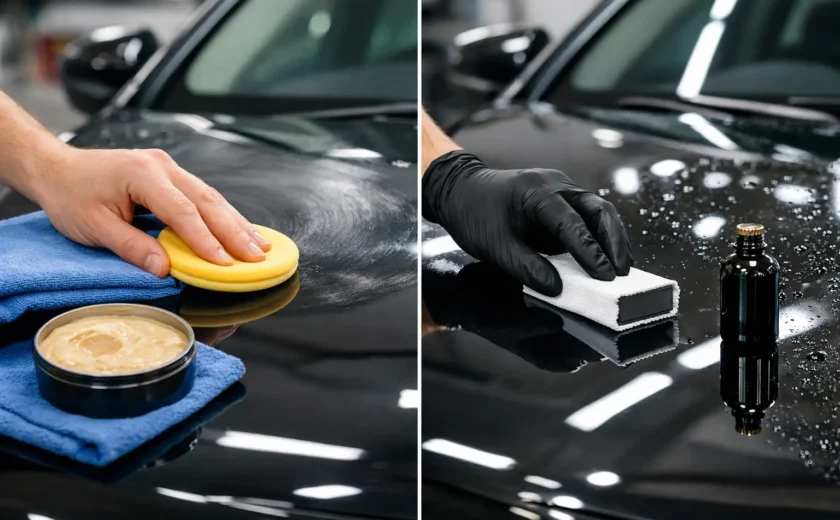
There is also a meaningful difference between cleaning and correcting. Cleaning removes dirt and contamination. Paint correction uses controlled polishing to reduce defects such as light scratches, swirl marks, haze, and dullness. It can dramatically improve gloss and clarity, but it is not a casual add-on. Correction removes a small amount of clear coat, so a responsible technician evaluates paint condition and pursues the level of improvement that makes sense for the vehicle.
Choosing the Right Level of Care
The right detailing plan depends on condition, use, storage, and expectations. A daily-driven truck that sees construction dust or beach parking needs a different strategy than a garaged weekend car. Likewise, a vehicle being prepared for sale has a different goal than one intended for long-term ownership.
Maintenance detailing is ideal for vehicles that are already in good condition and receive regular care. It keeps the interior presentable, the exterior free of routine buildup, and protective products performing as intended. Regular maintenance is usually more cost-effective than allowing contaminants, stains, and neglect to accumulate until a major restoration is needed.
A deep interior and exterior detail is a strong fit after a busy season, before a special event, or when the vehicle no longer feels clean despite regular washing. This level of service can revive neglected carpets, remove accumulated grime from trim and seams, decontaminate the paint, and restore the crisp, cared-for appearance owners notice every time they open the door.
For enthusiast-owned, luxury, or heavily weathered vehicles, paint enhancement or correction may be the right next step. Polishing can bring out depth in the color and reduce the web-like scratches that become obvious in direct sun. Results vary based on paint hardness, prior repairs, defect depth, and the amount of safe clear coat available. Deep scratches that catch a fingernail may be improved, but they cannot always be removed completely without compromising the finish.
Protection Is Where the Long-Term Value Lives
Once a vehicle is clean and corrected, protection helps preserve the work. The best choice depends on where and how the vehicle is used.
Traditional waxes and sealants can improve gloss and water behavior, making them a practical choice for routine upkeep. They need periodic reapplication, but they offer an accessible level of protection for many daily drivers.
Ceramic coating is a longer-term option that bonds to properly prepared surfaces. It can increase gloss, improve water and dirt release, and make routine washing easier. It is especially valuable for Florida vehicles exposed to sun, rain, insects, and frequent road contamination. Ceramic coating does not make paint scratch-proof, chip-proof, or maintenance-free. It still needs proper washing, and it cannot replace good driving habits or safe storage.
Paint protection film, often called PPF, serves a different purpose. It is designed to provide a physical barrier against common impact damage such as rock chips, road debris, and scuffs. It is a strong choice for front bumpers, hoods, mirrors, rocker panels, and other high-impact areas. PPF is typically the better investment where chip resistance is the priority, while ceramic coating is often selected for gloss, easier cleaning, and broad surface protection. Many owners choose both because each addresses a different type of risk.
Window tinting also supports long-term interior care. Quality tint can reduce heat and glare while helping limit UV exposure that contributes to fading and material wear. The right film should be selected with comfort, visibility, local regulations, and the vehicle’s intended use in mind.
The Florida Factors That Change the Maintenance Plan
Florida vehicles face a demanding mix of environmental stress. Coastal salt air can accelerate corrosion concerns. Strong sun can fade exterior trim and stress dashboards, seats, and steering wheels. Afternoon rain can leave mineral deposits if it dries on the surface, while humid conditions can make overlooked spills and damp carpets more troublesome.
That does not mean every vehicle needs maximum protection. It means the care plan should be realistic. A vehicle parked outside every day benefits from more frequent washing and stronger UV-focused protection than one kept in a garage. A boat, RV, or work truck may need specialized cleaning and protection based on its materials, exposure, and storage conditions.
Between professional appointments, simple habits make a visible difference. Remove bird droppings and bug residue promptly. Avoid wiping dusty paint with a dry towel. Use clean microfiber towels and pH-appropriate products when washing at home. Vacuum sand before it works deeper into carpets, and keep a windshield sunshade in the vehicle when possible. These steps do not replace professional care, but they help preserve it.
What to Expect From a Detailer You Trust
Premium detailing should begin with an honest assessment, not a one-size-fits-all promise. The condition of the paint, interior materials, prior coatings, pet hair, stains, odors, and paint defects all affect the process. Clear communication about desired results helps establish the right service level and avoids unrealistic expectations.
Look for a detailer who explains what will be cleaned, corrected, and protected, along with what may remain due to permanent wear or material damage. The difference between a stain and discoloration, or between a swirl mark and a deep scratch, matters. Precision is not just about the finished shine. It is also about setting the right expectations before work begins.
At Diamond Detailing, that approach means matching owner-led craftsmanship to the vehicle in front of us, from dependable maintenance service to advanced correction and protection. Your vehicle does not need to be a show car to deserve careful treatment. It simply needs a care plan that respects the miles you drive, the conditions it faces, and the standard you want every time you pull into the driveway.