Uncategorized
A luxury vehicle can look exceptional on delivery day and noticeably tired far sooner than expected. In Florida, intense UV exposure, sudden rain, salt air, bugs, road grit, and daily heat put constant pressure on paint, trim, glass, and interiors. The right luxury car protection options are not about adding every available service. They are about placing durable protection where your vehicle sees the most wear, then maintaining it with the same level of care.
For some owners, that means a ceramic coating over corrected paint. For others, paint protection film on the front end is the smarter first investment. A vehicle that lives outdoors, carries children, or spends weekends near the coast needs a different plan than a garage-kept weekend coupe. Protection should match how the vehicle is driven, parked, and expected to hold value.
Start With the Risks Your Vehicle Actually Faces
Premium protection works best when it addresses a specific problem. Paint protection film is designed to absorb physical impacts that would otherwise chip or scuff the paint. Ceramic coating creates a chemically resistant, high-gloss surface that makes washing easier and helps limit damage from UV exposure, contaminants, and water spotting. Window tint reduces heat and glare inside the cabin. Interior protection helps defend the surfaces you touch every day.
There is overlap, but these services are not interchangeable. A ceramic coating will not prevent a rock chip at highway speed. Paint protection film will not keep leather from drying or make the cabin cooler on a summer afternoon. Choosing well starts with being clear about your priority: preventing impact damage, preserving appearance, reducing maintenance, improving comfort, or protecting resale condition.
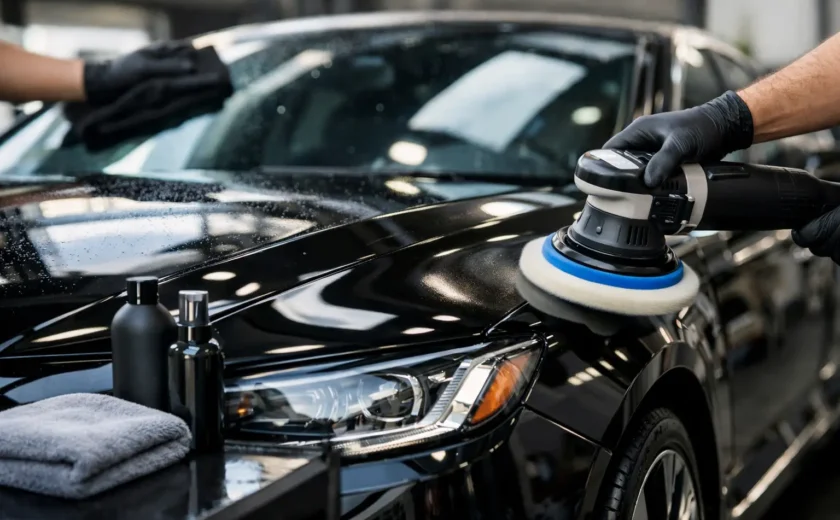
The condition of the vehicle matters, too. Applying a premium coating over swirls, water spots, or oxidation can preserve those defects beneath it. Proper paint correction and surface preparation are what allow a protection service to produce the crisp, reflective finish owners expect from a high-end vehicle.
The Core Luxury Car Protection Options
Paint protection film for high-impact areas
Paint protection film, often called PPF or clear bra, is the most direct defense against physical paint damage. It is a transparent urethane film applied to painted panels, commonly the bumper, hood, fenders, mirrors, rocker panels, and door edges. Quality film can resist chips, scratches, bug acids, and road debris, while many modern products have self-healing properties that reduce the appearance of light surface marks with heat.
For Florida drivers, front-end coverage is often the practical place to begin. Highway miles, construction zones, sand, and debris can quickly mark a low, wide bumper or sculpted hood. Full-vehicle PPF provides the broadest protection and makes sense for exotic vehicles, collector-grade finishes, and owners who want to preserve factory paint as completely as possible. It is also the higher-cost route, so a targeted package is often the better value for a daily-driven luxury SUV or sedan.
PPF installation requires patience and precision. Proper panel coverage, clean edges, careful alignment, and thorough preparation separate a polished result from a film job that distracts from the vehicle. It should look nearly invisible from normal viewing distance.
Ceramic coating for gloss and easier maintenance
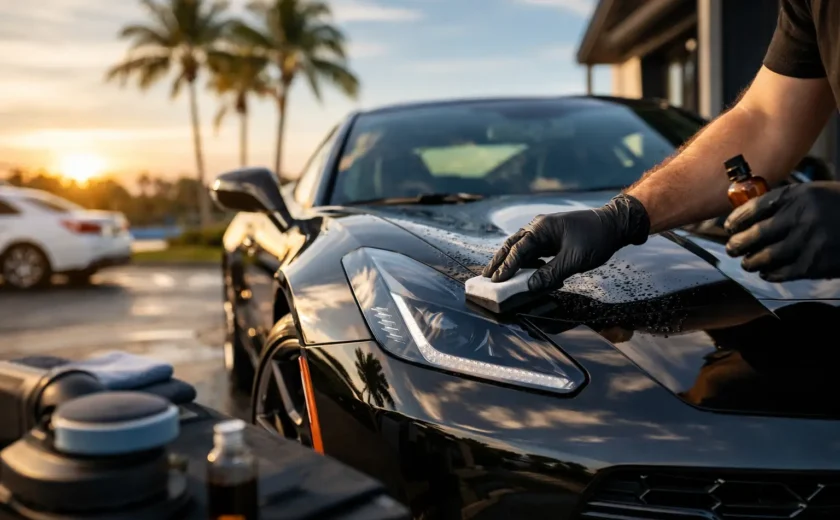
Ceramic coating is a liquid-applied protective coating that bonds to prepared surfaces. Once cured, it creates a durable barrier that enhances gloss, improves water behavior, and makes bonded contaminants easier to remove during routine washes. It is particularly valuable for owners who want their paint to stay cleaner-looking between services and maintain a sharp, freshly detailed appearance.
The benefit is not that the vehicle never gets dirty. Florida pollen, rain, dust, and road film will still collect. The difference is that properly coated paint is easier to wash safely, less prone to staining from certain contaminants, and more resistant to the dulling effects of regular exposure. Coatings can also be applied to wheels, trim, glass, and other appropriate surfaces as part of a complete protection plan.
Ceramic coating is an excellent standalone choice for vehicles with lower exposure to rock chips or for owners focused on gloss and maintenance efficiency. It also pairs naturally with PPF. The film handles the physical abuse on vulnerable panels, while ceramic protection helps keep the rest of the vehicle looking refined and easier to care for.
Window tint for cabin comfort and interior preservation
Window tint is often treated as a cosmetic upgrade, but quality tint is also an interior protection service. It reduces glare and solar heat, improving comfort during long drives and helping the air conditioning system work less aggressively. More importantly, it limits the UV exposure that contributes to fading, drying, cracking, and discoloration on leather, plastics, wood, and other interior materials.
The right film depends on your preferences, vehicle, and legal tint limits. A professional recommendation should account for visibility, heat rejection, privacy, and the vehicle’s existing glass. The goal is not simply darker windows. It is a clean, even installation that improves the driving experience while protecting the cabin’s materials and appearance.
Interior protection for the surfaces that show age first
A well-kept exterior draws attention, but the interior determines how the vehicle feels every time you get in. Light leather, piano-black trim, touchscreens, carpeting, and high-contact surfaces can show wear quickly. Interior deep cleaning followed by appropriate conditioning and protectants helps preserve the finish without leaving greasy residue or artificial shine.
For families, pet owners, and daily commuters, the biggest threats are often spills, dye transfer, sunscreen, sand, and embedded debris. Fabric and leather protection can make future cleanup more manageable, but it does not replace regular care. Addressing a spill promptly remains the best defense against permanent staining.
Build a Protection Plan Instead of Buying Everything
The most effective approach is layered, but layers should be purposeful. A new luxury sedan that travels I-95 several times a week may benefit from front-end PPF, a ceramic coating on the remaining painted surfaces, quality window tint, and scheduled maintenance detailing. A garage-kept sports car may justify more extensive film coverage and correction work before coating. A luxury SUV used for school runs and beach trips may place greater value on tint, interior protection, and easy-to-maintain coated paint.
There is also a timing advantage. The best time to install PPF or ceramic coating is when the vehicle is new or immediately after paint correction. That reduces the amount of restoration required before protection can be applied. Still, an older vehicle is not too late. Correction, deep cleaning, and a well-chosen protection package can significantly improve and preserve its condition.
At Diamond Detailing, the process should begin with an honest assessment of the paint, interior, driving habits, and desired finish. A clear recommendation is more valuable than a one-size-fits-all package because it directs the budget to the surfaces that need it most.
Protection Still Needs Maintenance
Even premium protection benefits from proper washing and regular inspection. Automatic brush washes can introduce swirls, harsh chemicals can weaken surface performance, and neglected contaminants can reduce gloss over time. Use safe wash practices, remove bird droppings and bug residue promptly, and schedule maintenance services before buildup becomes difficult to correct.
PPF should be checked for lifted edges or concentrated damage in high-impact areas. Ceramic-coated vehicles benefit from periodic decontamination and coating-safe maintenance to keep water behavior and gloss performing as intended. Tint requires care during its initial curing period, and interior surfaces should be cleaned with products suited to their material rather than whatever is under the sink.
Protection is not a promise that a vehicle will never age. It is a disciplined way to slow visible wear, reduce avoidable correction work, and protect the ownership experience. Choose the services that solve your real exposure risks, have them installed with precision, and give your vehicle the consistent care its finish deserves.