Uncategorized
A vehicle can be freshly washed and still look tired. In direct Florida sunlight, light swirl marks, water spots, oxidation, and dull patches become impossible to ignore. So, when should paint correction happen? The right time is when defects are taking away from the paint’s clarity and gloss, but before repeated wear, contamination, or improper polishing creates more permanent damage.
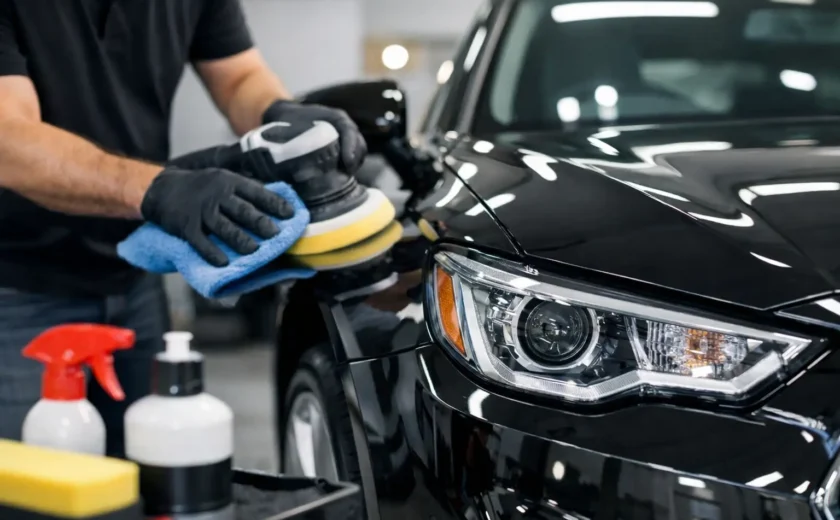
Paint correction is not simply an extra-shiny detail. It is a measured polishing process that removes or reduces defects in the clear coat to restore a sharper, deeper finish. For drivers who care about presentation, resale value, and long-term protection, it is often the step that turns a clean vehicle into one that looks properly restored.
When Should Paint Correction Happen? Look for These Signs
The clearest answer is visual: paint correction should be considered when the finish no longer reflects light cleanly. A professional inspection under proper lighting is the best way to judge the condition, but many owners notice the same problems first at home or after a wash.
Swirl marks and light scratches are visible in the sun
Circular web-like scratches are usually caused by automatic washes, dry wiping, dirty wash mitts, or poor drying habits. They may be faint in the shade, then stand out across the hood, doors, and trunk in bright sun. These are among the most common defects corrected through machine polishing.
Light scratches that catch the eye but not a fingernail can often be improved substantially. If a scratch catches your fingernail, it may extend beyond the clear coat and cannot always be safely removed. It can still be softened visually, but expecting every deep mark to disappear is not realistic or responsible.
The paint looks hazy, flat, or dull after washing
A proper wash removes surface dirt. It does not remove oxidation, etched water spots, embedded contamination, or the microscopic scratches that scatter light. If the paint still looks gray, cloudy, or lacking in depth after a thorough wash, correction may be the service that makes the real difference.
This is especially common on black, dark blue, red, and metallic finishes, where clarity and reflection are a major part of the vehicle’s appearance. White and silver vehicles can also benefit, although defects may be less obvious until viewed in strong lighting.
Water spots, bug residue, and environmental damage remain
Florida vehicles face a demanding mix of heat, UV exposure, sudden rain, hard-water minerals, love bug residue, road film, and tree sap. Left on the paint, these contaminants can etch or stain the clear coat. A decontamination wash may remove surface residue, but etched marks often require controlled polishing.
Paint correction is particularly worthwhile if water spots remain after washing or if the paint feels rough even after a basic detail. The goal is not to chase perfection at any cost. It is to restore the finish safely while preserving as much clear coat as possible.
Correct Before Applying Ceramic Coating or Other Protection
One of the best times to correct paint is immediately before applying a ceramic coating, paint protection film, or premium sealant. These protection products preserve and enhance the condition of the surface underneath them. They do not erase swirls, oxidation, or deeper scratches.
Applying a coating over uncorrected paint can make defects more noticeable because the coating increases gloss and reflection. If the vehicle already has visible haze or swirls, those flaws are effectively being sealed beneath the new layer of protection.
The level of correction depends on the vehicle and the owner’s expectations. A newer daily driver may need a light enhancement polish to improve gloss before coating. A luxury vehicle, weekend car, or recently purchased pre-owned vehicle may justify a more extensive multi-step correction for a near-showroom result. The right approach is based on paint condition, paint thickness, budget, and how the vehicle will be used.
Consider Correction After Buying a Used Vehicle
A used vehicle can be mechanically sound while its paint tells a different story. Dealership prep, automated washes, rushed buffing, and years of inconsistent care can leave a finish covered in swirls and holograms. These defects are often hidden under filler-heavy products until the first few washes.
Having the paint evaluated soon after purchase gives you a clean starting point. Once defects are corrected, a quality protection plan makes routine maintenance easier and helps preserve the improved finish. It is also an ideal time to address the interior, trim, glass, and wheels so the entire vehicle reflects the standard you expect.
Do Not Wait for the Paint to Look Severely Damaged
There is a practical advantage to correcting paint early: lighter defects generally require less aggressive polishing. Every correction service should be approached with paint preservation in mind. Clear coat is finite, and a skilled detailer chooses the least aggressive method that produces a meaningful improvement.
Waiting until oxidation is heavy or etched spotting is widespread can limit what is safely achievable. In severe cases, polishing may improve the appearance but cannot fully restore paint that has failed, peeled, cracked, or lost its clear coat. Those conditions require repainting, not correction.
For most well-maintained vehicles, paint correction is not an annual requirement. Once the finish is corrected and protected, careful washing and drying can keep it looking refined for years. Frequent polishing without a real need is not premium care. Smart maintenance is.
When Paint Correction Should Wait
Correction should not be the first move if the vehicle is heavily soiled or contaminated. The paint needs a proper wash, chemical decontamination, and, when appropriate, clay treatment before its true condition can be assessed. Polishing dirty paint risks dragging contamination across the surface.
It may also need to wait when the paint has unresolved body damage, fresh repair work, peeling clear coat, or extremely thin paint readings. A professional should inspect these areas before polishing. The goal is always improvement with restraint, not an aggressive attempt to make every panel look perfect for one day.
If your vehicle has paint protection film, correction methods also need to be adjusted. Light polishing may be appropriate in certain cases, but film has different limitations than factory clear coat. Coated vehicles can likewise be corrected later, though the existing coating will usually need to be removed or compromised during polishing and reapplied afterward.
Florida Timing Matters More Than Many Owners Realize
Paint correction can be performed year-round, but Florida ownership makes scheduling and aftercare especially relevant. Correcting the paint before summer travel, hurricane-season rain, or an extended period of outdoor parking gives the vehicle a stronger foundation for protection. It is also a smart move before a lease return, private sale, car show, or special event where appearance matters.
The condition of the vehicle matters more than the calendar. A garage-kept car that is hand washed correctly may only need periodic enhancement. A daily-driven SUV parked outside near the coast may show water spotting, salt air residue, and wash-induced marring much sooner.
After correction, the maintenance routine determines how long the result stays visible. Use clean wash media, quality lubrication, gentle drying towels, and methods that avoid grinding dirt back into the clear coat. Automatic brush washes remain one of the fastest ways to bring swirls back to a freshly corrected finish.
Choose the Level of Correction That Fits the Vehicle
Not every vehicle needs a multi-stage correction, and not every owner needs a flawless show-car finish. A light polish can offer a noticeable boost in gloss and clarity for a daily driver. More involved correction may be appropriate when the paint has widespread swirls, deeper marring, or visible haze across multiple panels.
At Diamond Detailing, the best recommendation begins with an honest inspection, not a one-size-fits-all package. The right service balances visible improvement with responsible paint preservation, then pairs that result with protection that fits how and where you drive.
If your paint looks clean but no longer looks crisp in the sun, it is worth having it evaluated. Addressing defects while they are still manageable can protect the finish, elevate the vehicle’s presentation, and make every wash feel like it actually brought the gloss back.