Uncategorized
A vehicle can look acceptable from a distance while its surfaces are quietly losing ground. Sand collects in carpet fibers, sunscreen transfers to leather, brake dust bakes onto wheels, and Florida sun works on unprotected paint every day. Knowing the signs your car needs detailing helps you address those issues while they are still cleanable and protectable, rather than waiting until restoration becomes the only option.
A professional detail is not simply a more thorough car wash. It is a focused process of cleaning, correcting, conditioning, and protecting the surfaces that affect how your vehicle looks, feels, and holds value. Here are the signs that routine upkeep is no longer enough.
1. Your Paint Feels Rough After a Wash
Run clean fingertips lightly across a freshly washed hood, roof, or trunk. If the surface feels gritty, bumpy, or uneven, bonded contamination is likely present. Road film, industrial fallout, brake dust, tree residue, and mineral deposits can attach to clear coat in ways that ordinary washing will not remove.
This is especially common on vehicles that spend time near coastal air, construction zones, busy roads, or under trees. The paint may still look shiny in shade, but contamination dulls reflection and can interfere with the performance of waxes, sealants, and ceramic protection.
A proper exterior detail can safely decontaminate the finish before applying protection. If the paint also has swirls, haze, or oxidation, paint correction may be the better next step. The right service depends on the condition of the vehicle, not just its age.
2. Swirl Marks Take Over in Direct Sunlight
Many owners first notice paint defects in a parking lot or driveway on a bright afternoon. Under direct sun, circular scratches and fine spiderweb marks appear around the hood, doors, and trunk. These are often caused by automatic car washes, dirty wash mitts, dry wiping, or improper drying techniques.
Light swirls are not always permanent, but they rarely improve on their own. A quick wax can fill some defects temporarily, yet it will not level the paint or restore true clarity. Professional polishing removes or reduces defects carefully, with the goal of improving gloss while preserving as much clear coat as possible.
Not every vehicle needs an aggressive multi-step correction. A well-maintained daily driver may benefit from a lighter enhancement polish, while a neglected or dark-colored vehicle may need more involved correction. A condition-based assessment prevents over-servicing and keeps expectations realistic.
3. Water No Longer Behaves Like It Should
When paint is protected, water generally beads or sheets away efficiently. When it clings flatly to the surface, leaves water spots, or seems to dry into every panel, the existing protection may be gone.
This does not automatically mean the paint is damaged. It does mean it is more exposed to UV rays, bird droppings, bug residue, salt air, and routine environmental fallout. In Port Orange and St. Augustine, the combination of strong sun, heat, rain, and coastal conditions can shorten the life of low-grade waxes and neglected protection.
Detailing can refresh the surface and establish the right protection plan, whether that means a maintenance sealant or a longer-term ceramic coating. The best choice comes down to how the vehicle is stored, driven, washed, and maintained afterward.
4. Your Interior Has a Lingering Odor
An air freshener can mask an odor for a few days. It cannot remove the source. If your cabin smells musty, smoky, sour, or persistently like food or pets, the issue may be sitting in carpet, seat fabric, floor mats, crevices, or the HVAC system.
Florida humidity makes this more than a cosmetic concern. Moisture trapped in upholstery or carpeting can create conditions that allow odors to settle in and become harder to remove. Spills that seem minor at first can also wick below the visible surface.
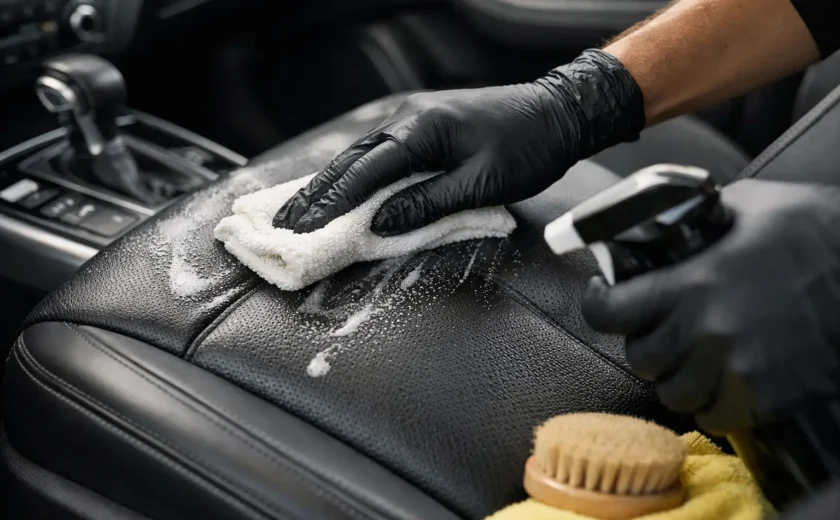
Interior detailing focuses on more than vacuuming. The process may include deep cleaning carpets and mats, treating fabric or leather appropriately, cleaning high-touch areas, and addressing odor sources rather than covering them up. Fast action matters with spills, especially milk, coffee, pet accidents, and anything that has reached padding beneath the carpet.
5. Stains Are Becoming Part of the Interior
A few marks on the seat bolsters or floor mats are normal for a vehicle that gets used. The warning sign is when stains no longer respond to basic cleaning, the carpet looks matted, or light-colored upholstery has developed a gray, worn appearance.
Look closely at the driver’s seat, steering wheel, door panels, cup holders, seat belts, and the area beneath child seats. These are the places where oils, sunscreen, makeup, drinks, crumbs, and everyday grime tend to build up. They can make even a newer vehicle feel older than it is.
Professional cleaning can dramatically improve these areas, but material condition matters. A fresh stain in fabric is usually more responsive than one that has been heat-set for months. Leather that is dirty and dry may be cleaned and conditioned, while cracked or heavily worn leather may require repair beyond detailing. Good service means being clear about that difference.
6. Your Wheels Never Look Fully Clean
If your wheels look brown, dull, or coated even after washing, brake dust and road grime may be bonded to the finish. Wheels are exposed to extreme heat, metal particles, tire dressing sling, and harsh road debris, so they often need more targeted care than the rest of the vehicle.
Ignoring buildup can make future cleaning more difficult and can leave wheels looking permanently aged. Tires deserve attention too. Faded, brown sidewalls can distract from otherwise clean paint, while neglected wheel wells make a detailed exterior look unfinished.
A thorough detail addresses wheels, tires, barrels, lug areas, and wheel wells with products selected for the material and condition. This is not the place for one harsh chemical used on every surface. Painted, polished, chrome, and coated wheels can require different methods.
7. The Glass Looks Hazy or Smears at Night
Poor visibility is one of the most practical signs your car needs detailing. If your windshield smears after using the wipers, has a film that catches headlights, or seems difficult to clean from the inside, it may be carrying residue from road grime, wiper blades, interior off-gassing, or smoke and vapor.
Exterior glass can also accumulate water spots and mineral deposits, especially when sprinkler water dries in the sun. Interior haze is common in vehicles with a lot of dashboard products, smoking, or heavy air-conditioning use.
Clean glass improves the overall finish of a detail, but more importantly, it supports safer driving in rain and at night. If wipers chatter or leave streaks after the glass has been cleaned, they may need replacement as well.
8. Your Trim, Plastic, or Leather Looks Dry and Faded
Exterior plastic trim that has turned gray, rubber seals that look dry, and leather that feels stiff are all signs of exposure and deferred care. UV rays do not affect every material at the same pace, but once fading and drying become visible, basic washing is no longer providing enough protection.
Some fading can be improved with professional restoration products and protectants. Severe oxidation, peeling coatings, cracking, or damaged trim may require replacement or repair. The value of detailing is not pretending every surface is new again. It is improving what can be improved and protecting what remains.
9. You Are Avoiding Looking Closely at the Vehicle
This is often the clearest sign. You know the dashboard is dusty, the paint is losing depth, the door jambs are dirty, and the interior no longer feels like a place you want clients, family, or passengers to see. The vehicle still runs well, so the appearance work gets pushed back.
But appearance neglect tends to compound. Contamination sits longer, stains set deeper, protection wears away, and resale preparation becomes a larger project later. Regular detailing is easier to manage when it is treated as maintenance, not a rescue mission.
For vehicles that are driven daily, a seasonal professional detail is a practical baseline, with more frequent maintenance for vehicles parked outside, carrying children or pets, used for business, or exposed to coastal conditions. Higher-end protection can reduce maintenance effort, but it still needs proper washing and periodic inspection to perform as intended.
A clean vehicle is satisfying. A properly detailed one is easier to maintain, more enjoyable to drive, and better prepared for the miles ahead. When the first signs show up, address them while your vehicle still has the strongest chance to look exceptional again.