Uncategorized
Florida sand in the carpet, sunscreen on the console, dog hair in the cargo area, and hard-water spots on the paint can make a vehicle feel older than it is. Knowing how to prepare car for detailing helps your appointment start efficiently and gives your detailer a clear path to the result you want – whether that means a refreshed daily driver, a sale-ready finish, or protection for a vehicle you plan to keep for years.
Preparation is not about doing the detailer’s job before you arrive. A professional detail is designed to address the buildup, staining, contamination, and wear that routine cleaning leaves behind. Your role is to clear the vehicle, communicate your priorities, and make sure the technician can access every area that needs attention.
How to Prepare a Car for Detailing Before Your Appointment
The most useful preparation happens the day before your appointment, not in a rushed five minutes in the parking lot. Start by considering why you booked the service. Maybe the interior has taken a beating from kids, pets, work gear, or beach days. Maybe the paint feels rough, looks dull in direct sun, or has light swirls that show under streetlights. Maybe you are preparing for a lease return, a trade-in, or a special event.
Be specific about the outcome that matters most. “Clean it up” can mean very different things from one owner to another. Let your detailer know if your priority is odor removal, pet hair, stained upholstery, brake dust, paint gloss, bug residue, or protecting a newer vehicle from the Florida sun. Clear expectations allow the service to be matched to the vehicle’s actual condition instead of relying on assumptions.
If you have booked an advanced service such as paint correction, ceramic coating, window tint, or paint protection film, ask about any service-specific instructions ahead of time. These services often require more than a standard drop-off and may involve cure time, controlled conditions, or a period when the vehicle should stay dry.
Remove Personal Items and Make Storage Areas Accessible
The simplest way to improve the quality and efficiency of an interior detail is to remove personal belongings before the appointment. Empty the center console, glove box, door pockets, seat-back pockets, cup holders, trunk, cargo area, and under-seat storage. Take out loose change, charging cables, sunglasses, paperwork, children’s items, gym bags, umbrellas, and anything you would rather not have handled.
This is especially important for vehicles that double as offices, family haulers, or work trucks. A detailer can clean around stored items, but they cannot properly vacuum, extract, condition, or inspect surfaces they cannot reach. Clearing the cabin gives the technician room to address the areas where debris and stains collect most heavily.
Do not forget specialty storage spaces. Remove items from truck toolboxes if those areas are included in the service, and clear personal gear from an SUV’s third row or cargo well. If you have a spare-tire compartment or underfloor storage that you want cleaned, mention it when scheduling. Not every package automatically includes every concealed area.
Valuables deserve extra care. Take out cash, jewelry, firearms, confidential documents, garage remotes you do not need that day, and irreplaceable personal items. A premium shop should treat every vehicle respectfully, but removing valuables protects your privacy and lets everyone focus on the work.
Leave the Dirt, but Identify the Problem Areas
You do not need to wash or vacuum your vehicle before bringing it in. In many cases, doing so makes it harder to assess the true condition of the paint, upholstery, carpets, and trim. A professional detailer needs to see what is really there in order to recommend the appropriate cleaning, correction, or protection process.
What helps is pointing out the areas that concern you. Make a quick note of stains, odors, sticky residue, pet hair, scuffs, spills, paint transfer, bird-dropping etching, sap, overspray, or areas where the paint looks hazy. If a stain has been treated at home, mention what product was used. Some household cleaners leave residue, bleach fabric, discolor leather, or change how a stain responds to professional treatment.
Photographs can be useful if the issue is intermittent or hard to see at drop-off. For example, a water leak that appears only after rain, a warning light that comes and goes, or a scratch that is visible only in certain lighting should be documented. Detailing is cosmetic care, not mechanical repair, but context helps prevent confusion about what can reasonably be improved.
Be realistic about permanent damage. Professional cleaning can dramatically improve many interiors, but deep dye transfer, burned carpet, cracked leather, etched paint, and heavily worn coatings may not return to factory-new condition. A skilled detailer will explain the difference between cleaning, restoration, correction, and replacement rather than promising an outcome the material cannot support.
Share Access Information Before Drop-Off
A detailer needs reliable access to the vehicle. Bring all necessary keys and make sure the key fob has a healthy battery. If the vehicle has a wheel-lock key, electronic parking procedures, a hidden trunk release, an alarm system, or a custom immobilizer, explain it before work begins.
For modern vehicles, it can also help to show the technician how to place the car in neutral, activate a service or car-wash mode, fold mirrors, open a frunk, or access the charging port. This matters for EVs, high-end vehicles, and models with unusual controls. If you use a valet mode or privacy lock for the glove box and trunk, disable it only if those spaces are part of the agreed service.
Tell the shop about known leaks, weak batteries, malfunctioning power seats, loose trim, aftermarket electronics, damaged window regulators, or non-functioning door locks. These details do not disqualify your vehicle from being detailed. They simply help the technician work carefully around existing concerns and avoid putting stress on a component that is already compromised.
Avoid Last-Minute DIY Treatments
The days before a detail are not the time to test a new stain remover, tire shine, dashboard dressing, or scratch-repair kit. Products sold for quick results can create more work later. Heavy silicone dressings can sling onto paint and attract dust. Oily interior products can leave glare on the windshield. Harsh cleaners may damage matte trim, leather coatings, touchscreens, or delicate upholstery.
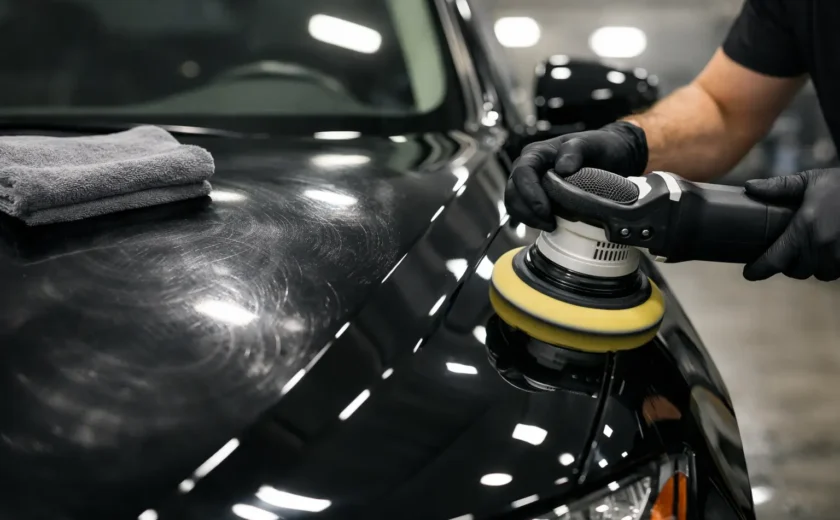
The same goes for aggressive scratch removal. Deep scratches often require measured paint correction, not a hand-applied product that claims to erase every mark. Rubbing too hard can haze clear coat or create an uneven finish that needs more correction afterward. If you are unsure whether a mark is a scratch, paint transfer, or embedded contamination, leave it untouched and have it evaluated under proper lighting.
Do not apply wax, sealant, or spray ceramic protection right before a paint correction or ceramic coating appointment. Those products can mask paint condition and may require additional decontamination before correction work can begin. The cleanest starting point is usually the best one.
Prepare Differently for Ceramic Coating, Tint, and Paint Protection Film
For standard detailing, clearing the vehicle and communicating priorities is typically enough. Protection services require a little more planning because the finish needs time to settle after installation.
Before a ceramic coating appointment, remove personal items as you would for a full detail and disclose any recent paintwork, body repairs, touch-up paint, or aftermarket coatings. Freshly painted panels may need a specific curing period before they can be coated. If you regularly use an automatic car wash, tell the technician. Your maintenance habits affect which protection package and aftercare plan make sense.
Before window tint installation, clear the door pockets and rear deck area, especially around the back glass. Do not schedule tint immediately before a road trip or an event where you need to roll windows down repeatedly. Depending on weather and film type, newly tinted windows need time to cure and should be handled according to the installer’s instructions.
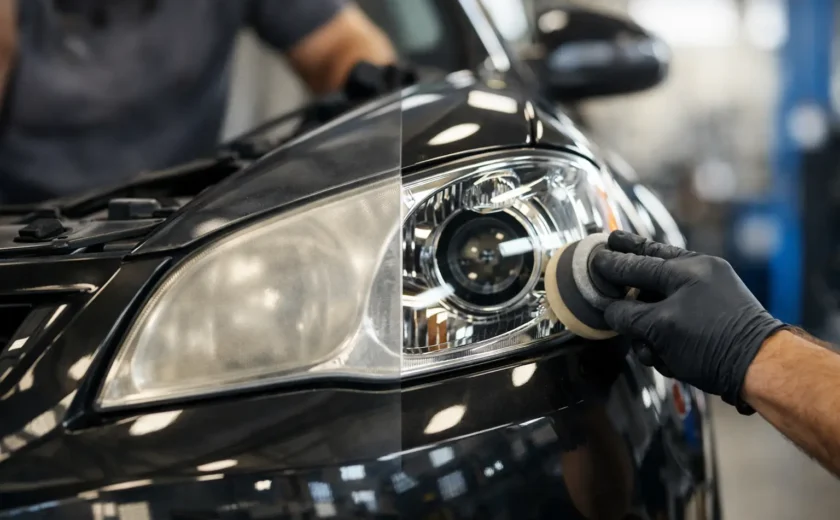
Before paint protection film installation, wash-related prep is generally best left to the installer. Point out chips, scratches, or bumper damage during the consultation. PPF can protect vulnerable surfaces moving forward, but it does not make existing damage disappear. In some cases, paint correction or touch-up work may be recommended first for the cleanest finished appearance.
Plan for Time, Weather, and Pickup
Premium detailing is process-driven. Interior extraction needs time to dry. Paint correction requires careful inspection between polishing stages. Coatings and films require controlled application and curing. Rushing the schedule can compromise the result, so build flexibility into your day rather than treating the appointment like a quick wash.
Arrange transportation if needed, and confirm the estimated completion window before drop-off. If rain is expected after a service that requires curing, ask whether pickup timing should change. Florida weather can shift quickly, and a good shop will give practical guidance based on the exact service performed.
At pickup, inspect the vehicle with the detailer if possible. Ask about the work completed, any limitations found, and the right maintenance approach for your paint, interior materials, coating, tint, or film. Diamond Detailing approaches this conversation as part of the craftsmanship – the best finish is one that is understood and maintained after it leaves the shop.
A well-prepared vehicle does not need to be spotless when it arrives. It needs to be accessible, safe to work on, and paired with clear priorities. Give your detailer a clean workspace and an honest picture of what you want improved, then let the professional process do what it is meant to do: bring your vehicle back to a standard you will notice every time you walk up to it.