Uncategorized
A new vehicle can look flawless under showroom lights, but that does not mean its paint is ready for a protective coating. The real difference in dealership coating vs professional coating often comes down to what happens before the product is applied: inspection, decontamination, paint correction, and the time allowed for precise installation. For Florida drivers, that difference can show up quickly in the form of water spotting, dullness, embedded contamination, and reduced gloss.
What a Dealership Coating Usually Includes
A dealership coating is commonly offered during the finance or delivery process as an add-on protection package. It may be described as ceramic protection, paint sealant, environmental protection, or a lifetime coating. Some dealership packages use legitimate coating products and are applied by an outside vendor or reconditioning team. Others are closer to a short-term sealant marketed with broad protection language.
The issue is not that every dealership coating is ineffective. The issue is that the process can be difficult to verify. A buyer may not know the product brand, how long it is designed to last, who applied it, or whether the paint was corrected before application. On a busy delivery schedule, the goal is often to prepare many vehicles quickly. That rarely leaves time for the detailed prep work that produces a refined, long-lasting result.
A coating can only bond as well as the surface beneath it. If the paint still has rail dust, adhesive residue, dealership wash marring, water spots, or oily polishing residue, those conditions can affect appearance and durability. A coating may still add some protection, but it can also preserve defects under a glossy layer.
Dealership Coating vs Professional Coating: The Prep Difference
Professional ceramic coating service begins with assessing the vehicle, not simply applying a bottle of product. Even brand-new vehicles may arrive with contamination from transport, minor scratches from handling, and marks left by quick dealership washes. Dark paint, black trim, and high-gloss finishes make these defects especially noticeable in direct Florida sun.
The preparation process typically includes a careful hand wash, chemical decontamination, and mechanical decontamination where needed. This removes bonded contaminants that normal washing cannot lift away. The vehicle is then dried and inspected under proper lighting so swirls, haze, water-spot etching, and isolated scratches can be identified.
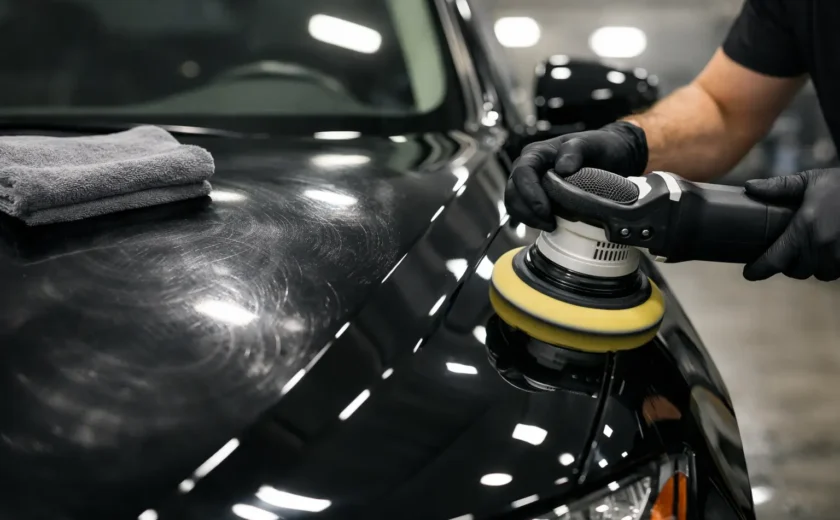
Paint correction is where professional work creates the visible separation. Depending on the condition of the vehicle and the package selected, correction may involve a finishing polish to improve clarity or a more involved multi-step process to reduce heavier defects. The goal is not to chase perfection at the expense of paint thickness. It is to improve the finish intelligently, preserve the clear coat, and create the best possible surface before protection is installed.
After correction, the paint is wiped down with a panel-prep solution to remove polishing oils. The coating is then applied panel by panel, leveled carefully, and allowed to cure in a controlled environment. This method takes time, but it prevents high spots, uneven appearance, and avoidable bonding problems.
That process matters because ceramic coating is not a cosmetic shortcut. It enhances gloss and makes maintenance easier, but it does not hide poor paintwork. A professional installer treats the coating as the final protection step after the finish has been properly prepared.
Product Claims, Durability, and Warranty Details
Coating terminology can be confusing because terms such as ceramic, nano, glass, and lifetime are used broadly. A product labeled as a ceramic coating is not automatically a high-performing, long-term coating. The formulation, installation method, layer thickness, environmental conditions, and maintenance practices all affect performance.
A professional coating package should clearly explain what product is being used, what level of correction is included, how long the coating is expected to perform, and what upkeep it requires. The conversation should be specific enough for you to understand what you are buying instead of relying on a vague promise of permanent protection.
Warranty language deserves the same attention. Some dealership packages include warranty coverage tied to strict requirements, such as periodic inspections, approved maintenance, paperwork, deductibles, or exclusions for normal environmental damage. A warranty can still provide value, but read it before treating it as proof of superior protection.
Professional coating warranties also vary, yet a quality installer can explain the terms directly and show you the condition of the vehicle at the time of application. Just as valuable is the accountability that comes with a dedicated appearance specialist. You know who prepared the paint, which package was installed, and how to care for it afterward.
What a Professional Coating Can and Cannot Do
A properly installed coating provides a sacrificial layer that helps resist UV exposure, light chemical staining, road film, bugs, bird droppings, and the grime that builds up during daily driving. Its hydrophobic behavior helps water bead and release more easily, which can make regular washing faster and help preserve a cleaner, glossier appearance between services.
For vehicles in Port Orange and St. Augustine, UV protection and easier cleaning are meaningful benefits. Coastal air, intense sunlight, lovebug residue, hard-water spots, and frequent rain can take a toll on an unprotected finish. Coating does not eliminate maintenance, but it gives the surface a better defense against the conditions Florida drivers face every week.
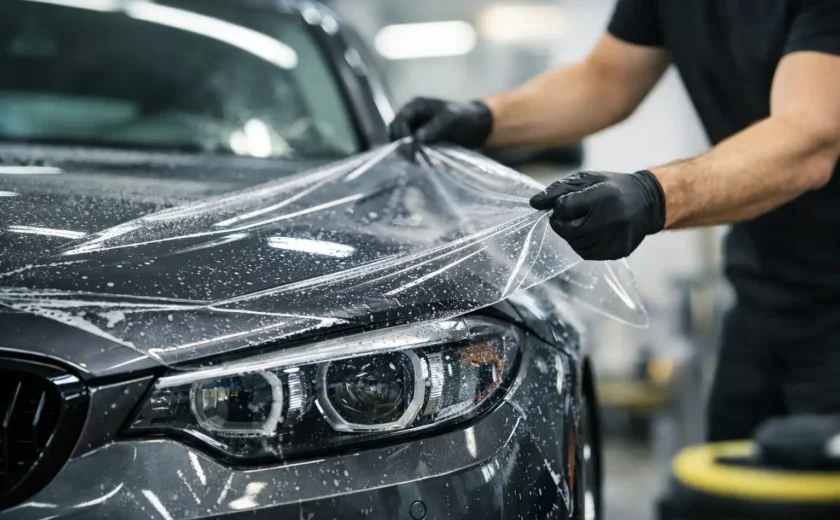
It is equally important to set realistic expectations. Ceramic coating does not make paint scratch-proof, and it will not stop rock chips, door dings, or deep key marks. It also cannot prevent every water spot if mineral-heavy water dries on a hot panel. Paint protection film is the better choice for physical impact protection on high-risk areas such as bumpers, hoods, mirrors, and rocker panels.
A coating also needs proper care. Use pH-balanced wash products, avoid abrasive tunnel washes, remove bird droppings promptly, and have the vehicle professionally maintained when contamination begins to affect water behavior or gloss. Good maintenance protects the coating investment and helps the paint underneath remain in excellent condition.
Which Option Makes Sense for Your Vehicle?
A dealership coating may make sense when the exact product, installer, prep process, and warranty requirements are clearly documented and the pricing is competitive. If the vehicle is a leased daily driver and your goal is basic short-term convenience, a simpler protection package can be a reasonable fit.
A professional coating is generally the stronger choice when you care about paint clarity, long-term appearance, resale presentation, and knowing exactly what was done to your vehicle. It is especially worthwhile for luxury vehicles, enthusiast-owned cars, dark-colored paint, trucks and SUVs exposed to daily road wear, and new vehicles you plan to keep for several years.
The best choice also depends on the vehicle’s starting condition. A brand-new SUV may need only light correction before coating, while a used vehicle with swirl marks, oxidation, or neglected paint may benefit from more restoration work first. The coating package should be built around the paint you have and the result you want, not sold as a one-size-fits-all add-on.
Questions to Ask Before You Approve Any Coating
Before agreeing to a coating at a dealership or a detailing shop, ask what specific product will be installed and who will apply it. Ask whether the paint will be chemically and mechanically decontaminated, whether paint correction is included, and how long the vehicle will remain in the shop for proper application and curing.
You should also ask what the coating is designed to protect against, what it will not protect against, and what maintenance is required to keep the warranty valid. If the provider cannot give clear answers, that is useful information. Premium protection should come with a transparent process, not a sales pitch that leaves the important details unclear.
At Diamond Detailing, the focus is on matching correction and protection to the vehicle’s actual condition, then delivering a finish that looks as carefully prepared as it is protected. The right coating should make your vehicle easier to maintain while preserving the crisp, polished appearance that made you proud to own it in the first place.