Uncategorized
A black SUV looks clean for about ten seconds in Florida sun before the truth shows up. Swirl marks, light scratches, haze, water spot etching, and dullness all rise to the surface once direct light hits the paint. That is exactly where a professional car paint correction service earns its value – not by covering flaws, but by refining the paint so the finish looks sharper, deeper, and noticeably more expensive.
Paint correction is often misunderstood because people group it in with a wax, a wash, or a quick polish. It is none of those things when done properly. This is a measured, machine-based process designed to reduce or remove imperfections in the clear coat. The goal is not just shine. The goal is clarity.
What a car paint correction service actually does
Modern vehicle paint usually consists of a color coat protected by a clear coat. Over time, that clear coat collects defects from tunnel washes, poor wash technique, road debris, automatic brushes, hard water, fallout, and everyday wear. Even newer vehicles can show significant marring, especially on darker colors.
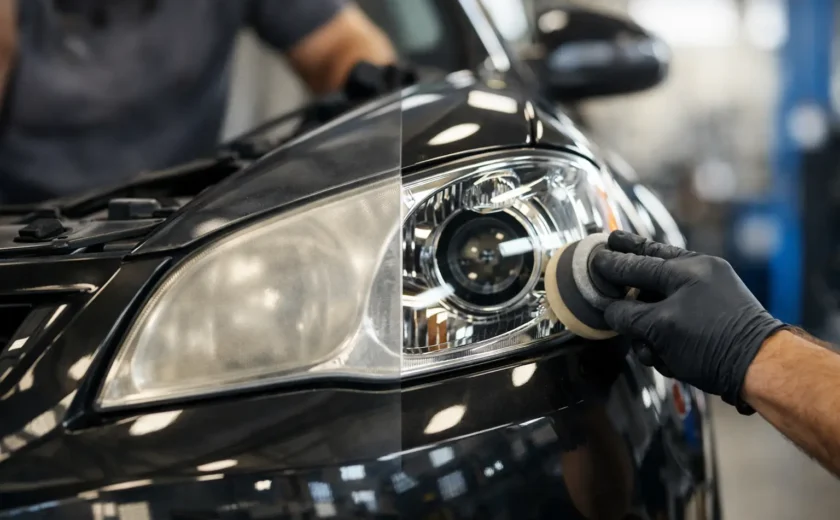
A car paint correction service addresses those defects through a staged polishing process. After the surface is thoroughly washed, decontaminated, and inspected under proper lighting, a detailer selects pad and polish combinations based on the paint type and the level of correction needed. Some vehicles respond well to a single-step polish that improves gloss and removes lighter defects. Others need a multi-step process to cut deeper imperfections and then refine the finish for maximum clarity.
This is why the service is not one-size-fits-all. Soft paint, hard paint, repainted panels, and heavily neglected finishes all behave differently. Good correction work depends on experience, restraint, and a clear understanding of how much defect removal is appropriate for the vehicle.
The difference between paint correction and a basic polish
A basic polish is often sold as a shine-enhancement service. It can brighten the finish and reduce very minor haze, but it may not meaningfully remove defects. In some cases, it is closer to a gloss boost than a restoration step.
Paint correction is more deliberate. It focuses on measurable improvement in the paint surface itself. That includes reducing swirls, oxidation, fine scratches, buffer trails, and other visible imperfections that interfere with gloss. The result is a finish that reflects light more evenly, which is why corrected paint looks richer and cleaner even when the color itself has not changed.
There is also a difference in prep and inspection. A premium correction service should include decontamination and proper lighting analysis, because polishing over bonded contamination or guessing under poor shop light leads to inconsistent results.
What defects can be corrected and what cannot
Most customers ask the same practical question – will this remove the scratches I can see? Sometimes yes, sometimes partly, and sometimes no.
Paint correction is highly effective on swirl marks, wash marring, oxidation, light to moderate surface scratches, hazing, and many water spot issues if the damage is in the clear coat. It can also dramatically improve paint that looks gray, tired, or muted from years of improper maintenance.
It does have limits. If a scratch is too deep, if the clear coat has failed, or if rock chips have penetrated beyond the top layer, correction alone will not fully repair it. The same goes for severe etching or prior damage that has already compromised the finish. A reputable shop should explain that clearly rather than promising perfection.
That honesty matters, especially for owners who care about preserving value. Chasing 100 percent defect removal on thin or delicate paint is not always the right call. In many cases, an 80 to 90 percent correction that preserves paint thickness is the smarter long-term decision.
Why the process matters as much as the result
A high-end finish does not come from aggressive polishing alone. It comes from disciplined prep, paint evaluation, controlled machine work, and proper protection after correction. Skip one of those steps and the result may look good for a week, then fall flat.
The wash and decontamination phase matters because embedded fallout, tar, and iron particles interfere with polishing and can create additional marring. Paint readings and panel inspection matter because not every surface on a vehicle has the same history. A bumper may have been repainted. A hood may be thinner than expected. Precision work means adjusting the process panel by panel, not running the same approach across the whole vehicle.
This is where owner-led craftsmanship stands out. A true specialist is not trying to move as many cars through the bay as possible. The focus is on visible transformation without careless overcorrection.
Who should invest in a car paint correction service
This service makes the most sense for owners who notice their paint no longer matches the rest of the vehicle’s condition. Maybe the interior is clean, the wheels are dialed in, and the body still looks tired under bright light. Maybe you just bought a vehicle and want to reset the finish before protecting it. Or maybe you are preparing for resale and know that paint condition directly influences first impressions.
It is especially valuable for darker vehicles, luxury vehicles, enthusiast cars, and daily drivers that have gone through repeated automatic washes. Dark paint reveals defects fastest, but every color benefits from correction when the surface has lost clarity.
If the vehicle is brand new, correction may still be worth considering. New does not always mean flawless. Dealer prep often introduces swirls and light marring before delivery, and some vehicles arrive with bonded contamination from transport and storage.
Why correction and protection should go together
Correcting the paint without protecting it afterward is like refinishing hardwood and leaving it exposed. The improvement is real, but it is vulnerable.
Once the paint has been corrected, that is the ideal time to apply long-term protection such as a ceramic coating. A corrected surface allows the coating to bond to clean, refined paint rather than locking in imperfections underneath. The finish looks better from the start, and the coating helps maintain gloss, repel contamination, and simplify maintenance.
This pairing is one of the most cost-effective ways to preserve a vehicle’s appearance. The correction creates the visual transformation. The protection helps keep it that way.
What to expect from a premium service experience
A quality shop should be clear about expected results, correction levels, and the condition of your specific paint. That includes identifying what can improve, what may remain, and what package makes sense based on your goals. Some owners want a major visual upgrade for a daily driver. Others want a near-showroom finish with a more intensive multi-stage process. Both are valid, but they require different time, labor, and product choices.
This is why structured service tiers matter. They help match the level of correction to the condition of the vehicle and the owner’s expectations. A single-step enhancement may be the right answer for a well-kept SUV that needs better gloss. A two-step correction may be better for a black sedan covered in years of wash damage.
At a premium shop like Diamond Detailing, the right approach is based on paint condition, finish goals, and protection plans – not on selling the most aggressive package by default.
How to keep corrected paint looking right
Once the paint has been corrected, maintenance becomes the deciding factor. Poor wash habits can reintroduce swirls quickly, especially in Florida conditions where sun, rain, salt air, bugs, and hard water all work against the finish.
Hand washing with proper tools and technique makes a difference. So does drying safely, removing contaminants early, and avoiding brush-style automatic washes. If the vehicle has been coated, maintenance is easier, but it still needs the right care. Protection reduces the workload. It does not eliminate it.
For many owners, this is the real benefit of professional correction and protection. The vehicle not only looks better on day one, it becomes easier to keep at a higher standard without constantly chasing the finish back.
If your paint still looks clean in the shade but rough in direct sunlight, that is usually the signal. A well-executed correction service can bring back depth, gloss, and clarity in a way a wash never will, and when it is done with precision, the vehicle looks the way it should have looked all along.