Uncategorized
A vehicle can look clean in the shade and still show every wash mark, water spot, and dull patch when Florida sun hits the paint. That is where paint correction cost becomes more than a simple price question. You are not paying for a quick shine. You are investing in the skilled, measured removal or reduction of paint defects to restore clarity, gloss, and depth.
The right level of correction depends on what is actually happening at the paint surface, how much clear coat is available to work with, and what result you expect. A daily-driven SUV with light swirls calls for a different approach than a black luxury sedan with years of improper washing, etched water spots, and heavy oxidation.
What Paint Correction Cost Typically Includes
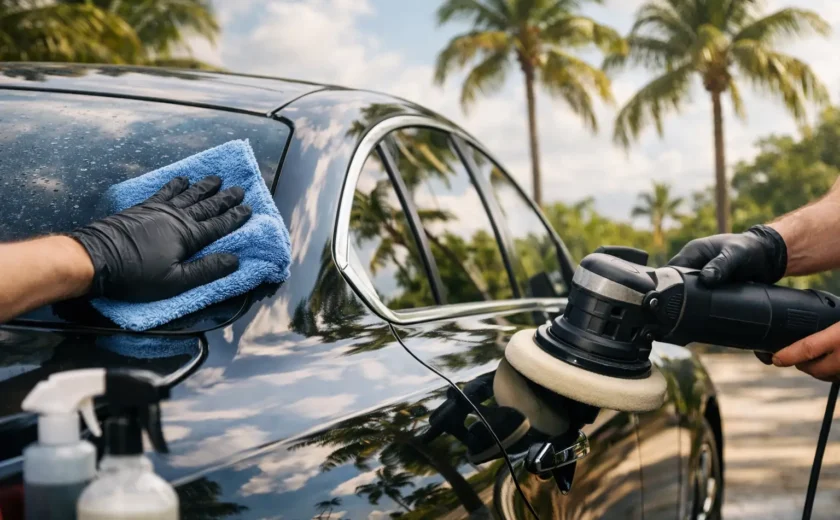
Professional paint correction is a process, not a single product or pass with a polisher. Before correction begins, the vehicle should be thoroughly washed and decontaminated to remove bonded particles, road film, brake dust, and embedded contaminants. Skipping this stage can compromise the finish and create additional marring during polishing.
The technician then inspects the paint under proper lighting. This is where defects that disappear in a parking lot become clear: circular swirls, random deep scratches, holograms from prior polishing, oxidation, water-spot etching, and paint transfer. Paint thickness can also be measured when needed, particularly on older vehicles, repainted panels, or high-value finishes.
From there, the correction process may include test spots, compounding, polishing, panel wipe-downs, and repeat inspections. The goal is to achieve the best safe improvement for the paint, not to chase every mark at the expense of clear coat thickness. That judgment is one of the biggest differences between professional correction and a fast, aggressive polish.
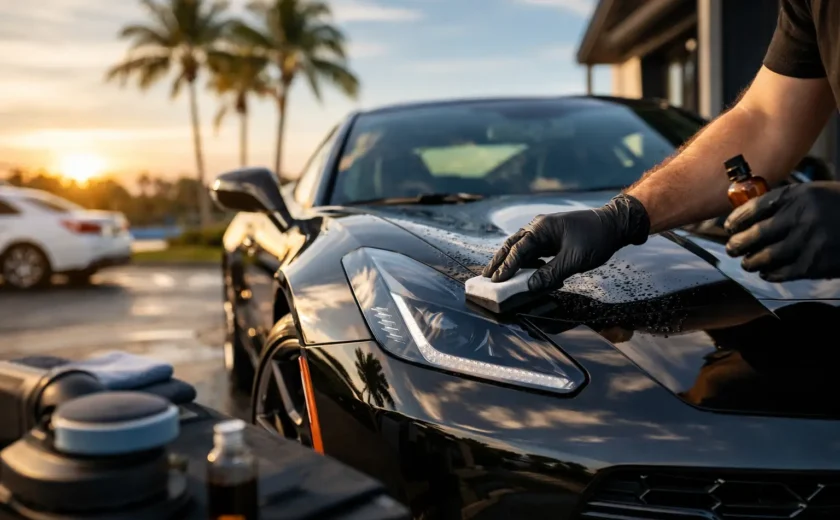
A quality service also accounts for details around the paintwork: taping delicate trim, protecting badges and edges, cleaning polishing residue from seams, and preparing the corrected finish for a wax, sealant, or ceramic coating. These steps take time, but they are part of a finish that looks refined rather than temporarily glossy.
What Affects Paint Correction Cost?
The largest factor is defect severity. Light swirls and faint wash marring may respond well to a one-step polish that improves gloss and removes a meaningful percentage of visible defects. Heavy scratches, severe oxidation, hard-water etching, and inconsistent work from a previous detailer may require several correction stages.
Vehicle size matters because every painted panel must be washed, inspected, corrected, and refined. A compact car typically requires less working time than a full-size truck, three-row SUV, large RV, or boat with extensive gelcoat surfaces. Complex body lines, wide fenders, tight spaces, and painted trim can add time as well.
Paint type and condition are equally important. Some clear coats are hard and require more cutting time. Others are softer and can mar easily, making the finishing stage more delicate. A newer vehicle is not automatically easier to correct. Dealership washing, automatic car washes, improper drying, and transport contamination can leave a new car with substantial defects before the owner has spent much time behind the wheel.
The desired result also shapes the estimate. A gloss enhancement designed to improve the overall appearance is different from a multi-step correction aimed at achieving near-showroom clarity. Neither option is inherently better. The right choice depends on the vehicle, its intended use, and whether you want to preserve it at a high standard or prepare it for a premium protective coating.
Typical Paint Correction Price Ranges
Every vehicle should be evaluated in person, but professional paint correction commonly falls into a few practical ranges. A light enhancement polish on a smaller vehicle may begin around $500 to $900. This level is often appropriate for newer vehicles with minor swirls, light haze, and good overall paint health.
A one-step correction for a sedan, truck, or SUV often ranges from approximately $700 to $1,200. It is designed to make a noticeable improvement in gloss and reduce common wash defects without pursuing complete defect removal.
More involved two-step or multi-step correction can range from $1,200 to $2,500 or more. This level is usually reserved for paint with heavier defects, darker colors that reveal every imperfection, enthusiast-owned vehicles, and clients seeking a more dramatic transformation before ceramic coating or special-event presentation.
These figures are not flat-rate promises. A white daily driver may hide defects that would be highly visible on black paint. A vehicle with isolated deep scratches may need touch-up work rather than further polishing. A proper estimate should explain the correction level being recommended and the realistic result you can expect.
Why the Lowest Quote Can Cost More Later
Paint correction removes a microscopic amount of clear coat to level the surrounding surface around a defect. That makes technique, product selection, pad choice, machine control, and inspection essential. A low quote can sometimes mean the work is being rushed, the vehicle is not properly decontaminated, or a glaze is being used to fill defects temporarily rather than correct them.
Fillers can create an immediate shine, but they may wash away within weeks. Poorly finished polishing can also leave haze, buffer trails, or holograms that become obvious in direct sunlight. In more serious cases, aggressive work around panel edges and body lines can create permanent damage.
The value of a professional correction is not measured only by the number of scratches removed. It is measured by the quality of the finish, the safety of the process, and how accurately the service matches the vehicle’s condition. An owner-led shop such as Diamond Detailing approaches correction as restoration work, with the goal of producing visible improvement while respecting the limits of the paint.
Correction and Ceramic Coating Are Different Services
Ceramic coating does not correct paint. It protects the condition that is already there. If a coating is applied over swirls, haze, or water spots, those defects remain visible beneath a highly reflective layer.
That is why correction is often recommended before ceramic coating. Once the paint has been refined, the coating helps preserve the improved finish by adding chemical resistance, UV protection, easier maintenance, and stronger water behavior. It does not make a vehicle scratch-proof, and it still requires proper washing, but it gives the corrected surface a better foundation for long-term care.
There is a budget trade-off to consider. If your vehicle is a daily driver and you want cleaner, glossier paint without chasing perfection, a one-step correction plus protection may deliver the best value. If you own a weekend vehicle, luxury car, or dark-colored truck that you want to keep exceptionally sharp, more extensive correction may be worth the additional time and cost.
How to Get an Accurate Estimate
Photos can be useful for a preliminary conversation, but they rarely reveal the full condition of paint. Sunlight, camera processing, and wet surfaces can hide swirls and etched spots. A professional inspection under dedicated lighting gives a much more reliable picture of what the vehicle needs.
When comparing estimates, ask what level of defect removal is being targeted, whether the paint will be decontaminated before polishing, and what protection will be applied afterward. It is also reasonable to ask whether deep scratches can be safely improved, rather than assuming they can be completely removed. If a scratch catches a fingernail, it may extend beyond the clear coat and require a more conservative solution.
The best estimate is clear about the work, the expected outcome, and the limits of paint correction. Premium detailing should not rely on vague promises of perfection. It should give you a finish that looks markedly better in real conditions: under sun, at night under parking-lot lights, and every time you walk back to your vehicle.
Before choosing a package, think about how you use the vehicle and how you want it to look six months from now. The right correction level is the one that improves the finish substantially, protects the asset, and gives you a standard of care worth maintaining.