Uncategorized
The driver’s seat tells the truth about a vehicle. Bolster wear, a darkened steering-side edge, faded color, and surface cracks can make an otherwise well-kept interior feel neglected every time you open the door. A professional leather seat restoration service addresses that visible wear with a measured process of cleaning, repair, color correction, and protection – not a quick coating meant to hide the problem for a few weeks.
For Florida vehicle owners, leather damage often develops faster than expected. Intense UV exposure, heat trapped inside the cabin, humidity, sunscreen, denim transfer, and daily entry and exit all take a toll. The right restoration can bring back a refined appearance while helping preserve the value and comfort of your vehicle.
What a Leather Seat Restoration Service Can Repair
Leather restoration is not one universal treatment. The proper approach depends on whether the seat is genuinely leather, coated leather, synthetic leather, vinyl, or a combination of materials. Most modern automotive leather has a protective topcoat, which means the repair process is as much about restoring that finish as it is about conditioning the material underneath.
A professional assessment begins by identifying the source and depth of the damage. Surface grime and dye transfer may lift with specialized cleaning. Light scuffs can often be refined and recolored. Worn outer bolsters may need careful sanding, flexible filler, matched pigment, and a protective topcoat. Small cracks can sometimes be stabilized before they spread further.
Common concerns that may be improved include worn color on the driver’s bolster, shallow cracking, scuffs from bags or shoes, discoloration from clothing, body oils embedded in high-contact areas, and faded surfaces caused by sunlight. The goal is not to make a seat look artificially glossy or heavily coated. It is to restore a clean, even, factory-appropriate finish that fits the rest of the interior.
Deep tears, missing material, hardened leather, damaged seat foam, or severely split seams are different issues. Those may require upholstery repair, panel replacement, or seat-cover replacement before cosmetic refinishing makes sense. An honest inspection matters because the best service recommendation is not always the biggest service.
Why Florida Leather Interiors Wear Differently
A dark interior parked outdoors in Port Orange or St. Augustine can absorb significant heat in a short time. Repeated heat cycles dry out protective surfaces, while UV exposure breaks down color and topcoat integrity over time. Once that protective layer wears thin, leather becomes more vulnerable to staining, friction, and cracking.
Humidity adds another challenge. Moisture, oils, and contaminants can collect in the grain, especially on seats used daily or in vehicles that carry children, pets, beach gear, or workout equipment. Harsh household cleaners can make the issue worse by stripping protective coatings or leaving residues that attract more dirt.
The driver’s seat is usually the first to show damage because it receives the most friction. Sliding across the bolster during entry, especially in trucks, SUVs, and performance-oriented seats with pronounced side support, gradually removes color and finish. Addressing wear at this stage is generally more cost-effective than waiting until the leather cracks through or the seat requires replacement.
The Professional Restoration Process
Quality results come from preparation. Applying dye or conditioner over embedded oils, silicone dressing, or loose finish may look acceptable at first, but it will not hold up well. Proper restoration requires patience and controlled product selection.
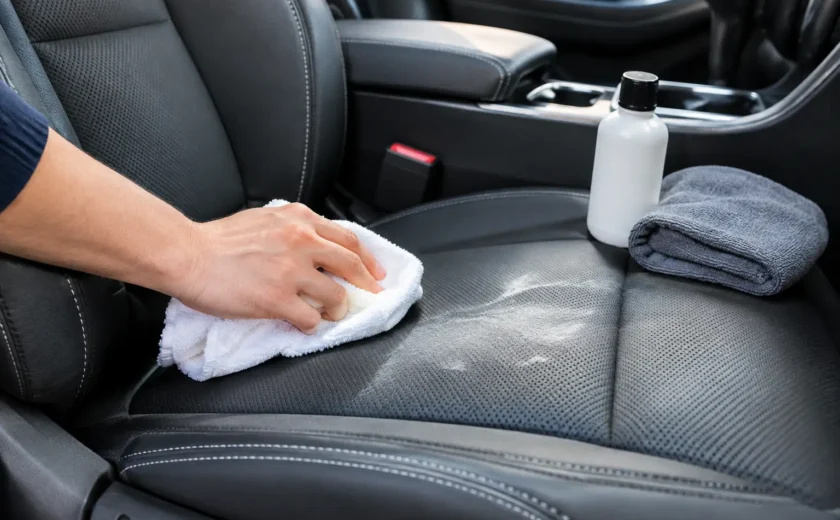
The process typically starts with a thorough interior cleaning focused on the affected seat surfaces. Technicians remove body oils, grime, sunscreen residue, and transfer marks while avoiding unnecessary saturation around seams, perforations, and electronic seat components. The surface is then inspected under proper lighting to reveal worn color, cracking, and prior repair attempts.
Next comes surface preparation. Depending on the condition, this may involve carefully leveling rough edges, addressing light cracks with flexible repair materials, and creating a stable surface for color work. This stage is where precision matters most. Over-sanding can alter texture, while rushing through repair work can leave visible edges or uneven grain.
Color correction follows. A professional leather seat restoration service uses matched or custom-blended color rather than a generic black, beige, or tan product. Automotive interiors often contain subtle undertones, and a mismatch becomes obvious beside an untreated passenger seat or center console. Color is built in controlled layers to produce natural coverage without filling the grain or creating a painted appearance.
The final protection step restores durability. A quality topcoat helps resist future abrasion, body oils, and light staining while setting the correct sheen level. Factory leather is rarely supposed to look wet or overly glossy. The right finish should feel clean, smooth, and consistent with the original interior design.
Restoration vs. Deep Cleaning vs. Replacement
Interior deep cleaning and leather restoration solve different problems. Deep cleaning is ideal when seats are dirty, dull, or affected by surface transfer but the color and finish remain intact. It can make leather look dramatically better, especially when contaminants have built up over months of use.
Restoration is the better choice when cleaning reveals actual wear: color loss, scuffing, roughness, light cracking, or a damaged protective coating. Conditioning alone will not replace missing pigment or repair a worn topcoat. In fact, heavy conditioners can temporarily darken or mask damage without correcting it.
Replacement makes more sense when the seat material has failed structurally. Large tears, broken stitching, deep cracks through the hide, shrinking material, or damaged padding often require upholstery work. This is particularly true when the seat needs to maintain factory fit, safety function, and airbag compatibility.
There is also a practical middle ground. If only the driver’s bolster is worn, targeted restoration may provide the best value. If every seat is dry, faded, and cracked, a full interior plan may be more appropriate. The condition of the vehicle, its age, how long you plan to keep it, and its resale goals should guide the decision.
Protecting Restored Leather After Service
Restoration lasts longer when the interior is maintained properly. The most effective habit is simple: remove dirt and body oils before they have time to work into the surface. A gentle, automotive-safe leather cleaner used periodically is more effective than aggressive scrubbing after buildup becomes visible.
Avoid using all-purpose cleaners, strong degreasers, household wipes, or shiny silicone dressings on leather seating surfaces. These products can change the finish, create a slippery feel, or weaken the protective layer over time. Use a clean microfiber towel, light pressure, and products intended for automotive leather.
Heat and UV management matter as well. Parking in a garage or shaded area, using a windshield sunshade, and keeping windows properly tinted where permitted can reduce the daily exposure that accelerates fading and dryness. For vehicles receiving premium care, interior maintenance pairs naturally with exterior protection, window tinting, and routine detailing because each service helps preserve the overall ownership experience.
At Diamond Detailing, restoration work is approached with the same standard applied to paint correction and interior reconditioning: assess the condition first, choose the right level of correction, and protect the finished result. The objective is visible improvement that looks appropriate for the vehicle, not a shortcut that creates a temporary shine.
When to Schedule Leather Restoration
The best time to restore leather is when wear is noticeable but still localized. If the driver’s seat has begun to fade on the outer edge, if a light crack catches on your clothing, or if cleaning no longer returns an even finish, it is worth having the seat evaluated. Early intervention can often limit the amount of repair needed.
For lease returns, trade-ins, luxury vehicles, enthusiast-owned cars, and family SUVs that have seen years of daily use, the condition of the interior has an outsized effect on perceived value. Clean, even leather makes the entire cabin feel more cared for. It also changes how you feel about a vehicle you already own.
A restored seat should not call attention to itself. It should simply look like the vehicle has been cared for from the moment you slide behind the wheel.