Uncategorized
Florida driving is hard on paint. Sand and loose aggregate leave chips behind trucks, insects etch the front bumper, parking lots create scuffs, and strong UV exposure works against a clean, glossy finish. PPF, short for paint protection film, gives the most vulnerable painted surfaces a physical barrier against that daily punishment.
For owners who care about preserving a newer vehicle, protecting a luxury finish, or keeping a well-loved truck or SUV looking sharp, paint protection film can be one of the most practical upgrades available. The value, however, depends on where it is installed, how the vehicle is prepared, and whether the film coverage matches the way you actually drive.
What PPF Does for Your Paint
Paint protection film is a clear urethane film professionally applied over painted panels. Its primary job is to absorb the impact of road debris before that debris reaches the clear coat. A small stone that might otherwise leave a permanent chip in the bumper or hood hits the film first.
Quality film also helps protect against light scratches, road grime, bug residue, bird droppings, and minor abrasion around high-contact areas. Many premium films include self-healing properties, meaning light surface marks can become far less visible when the material is exposed to heat from the sun or warm water.
That does not make PPF indestructible. A hard impact can still damage the film, and a severe hit may reach the paint beneath it. The difference is that the film is a sacrificial layer. Replacing a damaged section of film is often far preferable to repainting a panel, blending adjacent paint, and carrying a repair record on an otherwise original vehicle.
Why Florida Vehicles Benefit From PPF
Florida presents a specific mix of threats that makes paint protection film especially useful. Interstate driving puts vehicles in the path of rocks, tire debris, and construction material. Coastal areas add windblown sand and salt exposure. Summer heat, frequent rain, and intense sun make consistent maintenance more important, not less.
The front of the vehicle takes the greatest abuse. Bumpers, hoods, mirrors, fenders, headlights, and rocker panels are continually exposed to impact and contamination. Dark colors and high-gloss finishes tend to show chips and scratches more clearly, but even white, silver, and gray vehicles benefit from keeping their factory paint intact.
PPF is also a strong fit for vehicles that spend time on highways, make frequent trips to the beach, or serve as daily transportation for a busy household. The more miles you drive and the less control you have over the road conditions around you, the more valuable targeted protection becomes.
Full Front or Full Vehicle PPF?
The right coverage is not always the biggest package. It is the coverage that protects the areas most likely to suffer damage while respecting your goals and budget.
High-impact coverage
A focused PPF installation commonly protects the front bumper, leading portion of the hood and fenders, mirror caps, and other impact-prone areas. This approach makes sense for many daily drivers because it addresses the panels that receive the most road debris without covering the entire vehicle.
A more complete front-end package typically extends coverage across the full hood, full fenders, front bumper, and mirrors. It provides a cleaner, more uniform result, with fewer visible transition lines than partial-panel coverage. For new luxury vehicles, sports cars, and owners who travel regularly on I-95 or other high-speed roads, full-front coverage is often the sweet spot.
Full vehicle protection
Full vehicle PPF covers painted surfaces beyond the front end, including doors, rear quarters, roof sections, and the rear bumper. It is best suited to high-value vehicles, collector cars, exotic finishes, or owners who want maximum preservation from every angle.
This option requires a larger investment, and it is not mandatory for every vehicle. A properly selected front-end package can deliver meaningful protection for a daily-driven SUV or truck. Full coverage becomes more compelling when the vehicle has a complex factory color, a low production paint finish, or a resale profile where original paint condition carries significant weight.
Areas owners often overlook
Some of the most useful PPF coverage is not on the hood. Door edges can be protected from contact with garage walls and nearby vehicles. Door cups help prevent fingernail scratches behind handles. Rocker panels and lower doors are valuable additions on trucks, SUVs, and performance cars because they receive constant spray from tires.
A loading area or rear bumper ledge can also benefit on vehicles used for cargo, pets, sports equipment, or family travel. These smaller sections are practical examples of protection tailored to how the vehicle is used rather than a one-size-fits-all package.
Paint Preparation Determines the Final Result
PPF preserves the condition underneath it. It does not erase swirls, chips, water spots, or embedded contamination already in the paint. That is why proper preparation matters before installation.
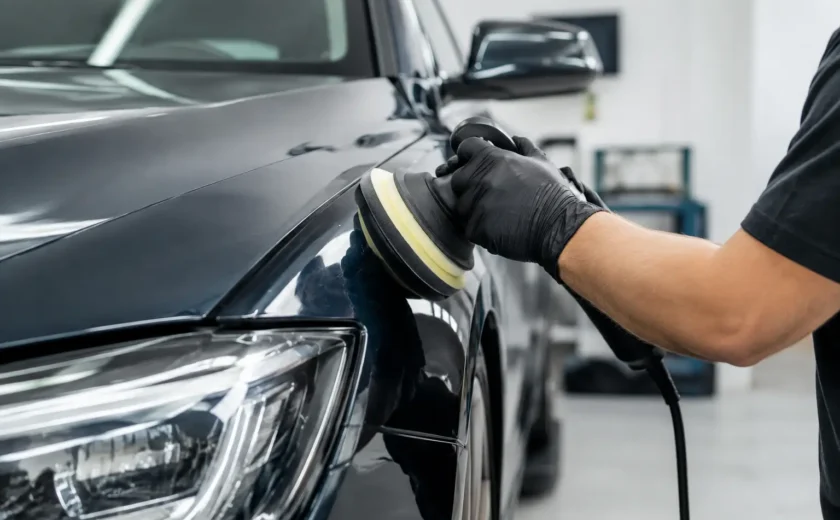
The process should begin with a thorough wash and decontamination to remove bonded contaminants from the paint. Depending on the vehicle’s condition, light polishing or more involved paint correction may be appropriate to improve gloss and reduce visible defects before the film is applied. Installing clear film over dull or heavily swirled paint simply seals those imperfections into view.
At Diamond Detailing, the goal is not just to place film on a panel. It is to prepare the surface carefully, align the material precisely, and create an installation that complements the vehicle’s finish. Clean edges, thoughtful panel coverage, and controlled installation conditions make a visible difference over time.
PPF vs. Ceramic Coating
PPF and ceramic coating are often discussed together, but they perform different jobs. Paint protection film is the physical defense against rock chips and abrasion. Ceramic coating is a liquid protection product that cures over the surface to improve water behavior, add gloss, and make cleaning easier.
A ceramic coating does not provide the same impact resistance as PPF. It can help reduce the grip of dirt and contamination, but it will not stop a stone from chipping a bumper at highway speed. Conversely, PPF is not a substitute for regular washing. Film still collects road film, bug residue, and mineral deposits if maintenance is ignored.
For owners seeking the highest level of protection and easier upkeep, PPF can be installed on high-impact areas and paired with a coating on the remaining paint, wheels, glass, or film itself. That combination is especially effective for vehicles that must look polished while facing real daily use.
What to Expect From PPF Maintenance
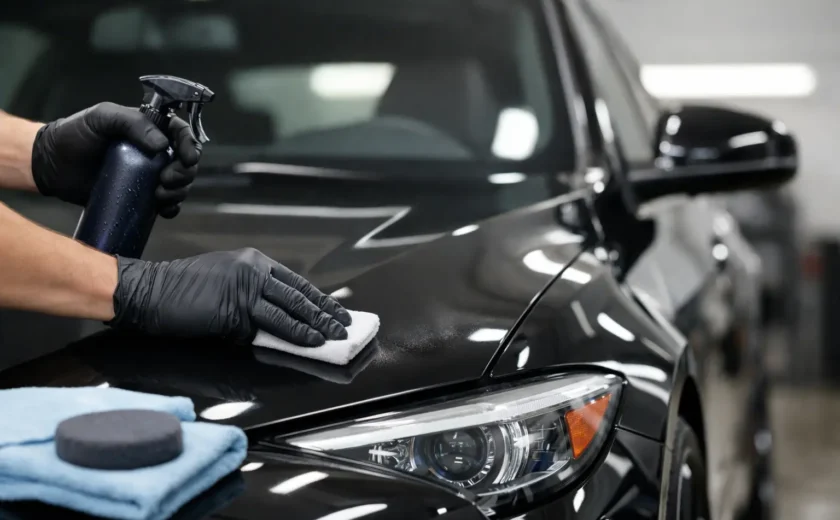
Once installed, paint protection film should be maintained with the same care as the rest of the vehicle. Use proper wash methods, quality microfiber towels, and pH-balanced automotive products. Avoid abrasive scrubbing on contaminated panels, particularly when sand or grit is present.
After installation, the film needs appropriate curing time before aggressive washing or pressure washing near edges. A professional installer will provide specific aftercare instructions based on the film and the conditions at installation. Over time, inspect high-impact areas for damage, lifting, or excessive contamination around edges.
The good news is that PPF reduces the stress of normal ownership. Instead of worrying about every bug strike, parking-lot scuff, or small piece of road debris, you have a layer designed to take that abuse first. It does not eliminate maintenance, but it gives your original paint a much better chance of staying clean, glossy, and intact.
When PPF Is Worth the Investment
PPF is worth serious consideration when paint condition matters to you before resale, not only at resale. It is a smart choice for new vehicles, leased vehicles that need to be returned in excellent cosmetic condition, luxury models, performance cars, and daily drivers exposed to frequent highway miles.
It may be less necessary for a vehicle with heavily weathered paint that is already scheduled for future repainting, or for an owner who is comfortable accepting chips as part of normal use. In those cases, paint correction, ceramic coating, and consistent detailing may offer a better fit for the budget.
The best time to install paint protection film is while the paint is still in excellent condition. Protect the panels that take the most abuse, keep the vehicle maintained properly, and let the original finish remain the part people notice – not the damage it avoided.