Uncategorized
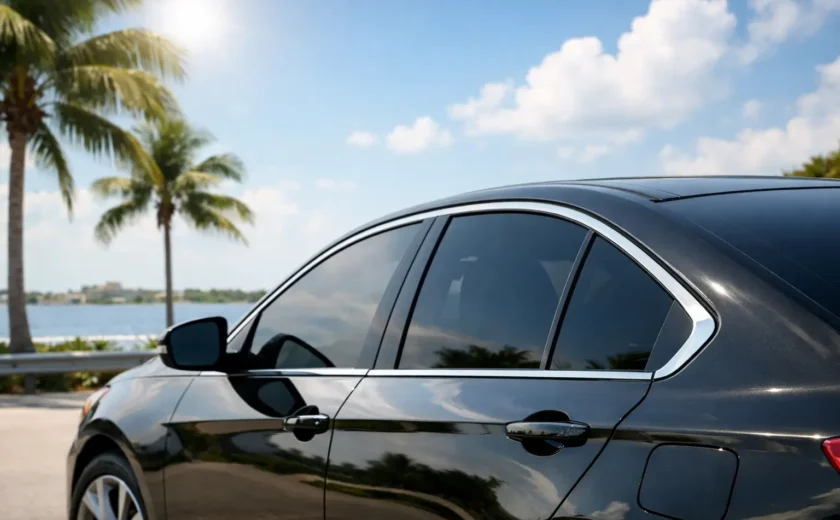
A black vehicle can look richer, sharper, and more expensive than almost any other color – right up until sunlight reveals swirl marks, water spots, dust, and road film across every panel. The best protection for black cars is not one product applied once and forgotten. It is a protection plan built around paint condition, driving habits, storage, and the level of finish you expect to maintain.
For Florida drivers, that plan matters even more. Intense UV exposure, afternoon rain, mineral-heavy water, love bugs, salt air, and constant road debris can quickly take a deep black finish from glossy to tired. The right combination of correction, ceramic coating, and paint protection film keeps the paint easier to clean while reducing the damage that black makes impossible to hide.
Why Black Paint Needs a Different Standard
Black paint is not necessarily softer than other colors, although clear coat hardness varies by manufacturer. What makes it demanding is contrast. A light scratch, dried water spot, or hazy wash mark stands out immediately against a dark surface. Even a clean black car can look dull if the clear coat has been marred by improper washing or aggressive wiping.
That is why protection should begin with preparation. Applying a premium coating over swirls, oxidation, bonded contamination, or etched water spots may add gloss, but it will also preserve the defects underneath. On a black vehicle, that is rarely the result an owner wants.
A professional inspection identifies what the paint actually needs. Some newer vehicles benefit from a light enhancement polish before protection. A daily driver with visible wash damage may need one-step or multi-step paint correction to restore clarity and depth. The goal is not to chase perfection where it is impractical, but to create a clean, refined foundation before sealing it.
Ceramic Coating for Black Cars
For most owners, a professionally installed ceramic coating is the strongest all-around answer for protecting black paint. It creates a chemically resistant layer that bonds to the clear coat, adding gloss, water behavior, and meaningful defense against UV exposure, bird droppings, tree sap, and everyday contamination.
On black paint, the visual benefit is especially noticeable. A quality coating enhances the depth and reflection of the finish, giving the vehicle a wetter, more defined appearance after proper paint correction. It also reduces the effort required to wash the vehicle because dirt and grime are less likely to bond aggressively to the surface.
Ceramic coating is not armor. It will not stop rock chips, prevent every scratch, or make a black car maintenance-free. Improper washing can still create swirls, and hard-water spots can still etch if they are left baking in the sun. Its value is that it makes routine care safer and more manageable while giving the paint durable protection and a premium finish.
When Ceramic Coating Is the Right Choice
A ceramic coating is an excellent fit for owners who want long-term gloss and easier maintenance across the entire vehicle. It works well for leased vehicles, daily drivers, luxury SUVs, enthusiast cars, and trucks that need to stay presentable despite regular use.
It is also a practical option when the concern is broad environmental exposure rather than concentrated impact damage. Florida sun, bug residue, rain, pollen, road grime, and frequent washing all make a strong case for coating the paint, trim, wheels, and glass where appropriate.
Paint Protection Film for High-Impact Areas
Paint protection film, often called PPF or clear bra, is the best option when chip resistance is the priority. This transparent urethane film is designed to absorb the impact of rocks, sand, road debris, and other hazards that can cut through a coating and chip the paint below.
For black cars, PPF is particularly valuable on the front bumper, hood, fenders, mirror caps, rocker panels, door edges, and behind the wheels. These areas take the most abuse, and chips are highly visible once bright primer or lighter paint is exposed beneath the black finish.
Modern self-healing films can reduce the appearance of light surface scratching when exposed to heat. High-quality film also provides a clean, nearly invisible finish when installed with careful panel preparation, precise alignment, and properly wrapped edges where the vehicle design allows.
Full Front or Full Vehicle PPF?
A full-front PPF package is often the smart balance for a black daily driver. It protects the panels most likely to suffer impact damage without requiring a full-vehicle film installation. This is especially worthwhile for drivers who spend time on I-95, commute frequently, or travel through construction zones and sandy coastal roads.
Full-body PPF makes sense for high-value vehicles, performance cars, and owners pursuing the highest possible level of preservation. It is a larger investment, but it provides the most complete protection against chips, light scuffs, and road wear. For vehicles intended to remain in exceptional condition for years, it can be the right call.
The Best Protection for Black Cars Is Often a Combination
Ceramic coating and paint protection film solve different problems. Coating protects against contamination, UV exposure, and the friction of routine maintenance. PPF provides physical defense against impacts. The strongest setup is often PPF on vulnerable painted areas, followed by ceramic coating over the rest of the paint and, when compatible with the selected film, over the film itself.
This layered approach gives a black vehicle the deep gloss owners want while protecting the front end and lower panels from the damage that daily driving creates. It also makes maintenance more efficient because the vehicle is easier to clean from bumper to bumper.
Window tint can further support the preservation plan. While it does not protect exterior paint, quality tint helps reduce interior UV exposure and heat buildup, which is especially useful in Florida. For a complete appearance package, protecting both the exterior finish and interior materials preserves the overall ownership experience.
Protection Fails Without Proper Washing
The fastest way to ruin a protected black finish is with poor wash habits. Automatic brush tunnels, dry dusting, dirty towels, and harsh household chemicals can create defects faster than a coating can prevent them. Protection reduces risk, but it cannot overcome abrasive contact.
Use a pH-balanced automotive shampoo, clean microfiber towels, and a wash process that keeps grit away from the paint. Wash from the top down, use sufficient lubrication, and avoid scrubbing dry contamination. If the car is dusty but not truly dirty, do not wipe it down with a dry towel in the driveway. That simple shortcut is a common source of visible marring on black paint.
Water spotting also deserves attention. Florida rain and sprinkler water can leave minerals behind, and black panels heat quickly in direct sun. Dry the vehicle promptly after washing, avoid parking near active sprinklers, and remove fresh bird droppings or bug residue as soon as possible. The longer acidic or mineral contamination sits on hot paint, the greater the chance of etching.
Choosing the Right Level of Protection
The right service depends on how the vehicle is used and what condition it is in today. A newer black sedan kept in a garage may only need light paint enhancement and ceramic coating. A highway-driven SUV may benefit from full-front PPF plus coating. A vehicle with heavy swirls should be corrected before either option is installed.
Budget matters, but so does the cost of correction later. Repeated polishing can improve a finish, yet clear coat is finite. Protecting a refined surface early helps reduce the need for more aggressive restoration down the road.
At Diamond Detailing, protection recommendations should be based on the vehicle in front of you, not a one-size-fits-all package. The best result comes from matching the preparation, film coverage, coating choice, and maintenance plan to how you actually drive.
A black car will always show more than a silver or white one. That is part of its appeal. With disciplined washing and the right professional protection, it can keep the deep, mirror-like finish that made you choose black in the first place.