Uncategorized
A fresh black hood under Florida sun tells the story fast. One car comes in with swirl marks, bug etching, and fine rock chips across the front edge. The other still looks sharp months later because the owner chose the right protection early. When people ask about paint protection film vs ceramic coating, they are usually asking one practical question – what actually keeps my vehicle looking better for longer?
The short answer is that these products do different jobs. Ceramic coating is a liquid-applied layer that adds gloss, chemical resistance, and easier maintenance. Paint protection film, often called PPF, is a physical urethane film that absorbs impact and helps prevent chips, scratches, and road rash. If you are deciding between them, the best choice depends on how you drive, where your vehicle spends its time, and how much protection you expect from the finish.
Paint protection film vs ceramic coating: the real difference
The biggest difference is simple. Ceramic coating protects the surface from contamination and makes the paint easier to clean. Paint protection film protects the paint from physical damage.
That distinction matters because many owners expect one product to do everything. A ceramic coating will not stop a rock from chipping your bumper. PPF will not make neglected paint look corrected unless the surface is properly prepared first. Both are premium protection services, but they solve different problems.
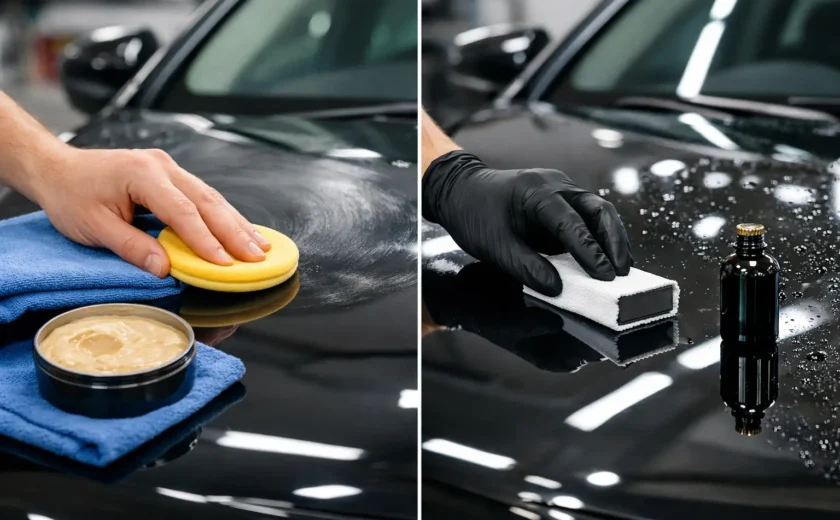
Ceramic coating bonds to the exterior surfaces and creates a slick, hydrophobic finish. Water beads, dirt releases more easily, and the paint tends to stay cleaner between washes. It also adds depth and gloss, which is a major reason owners choose it for daily drivers and higher-end vehicles.
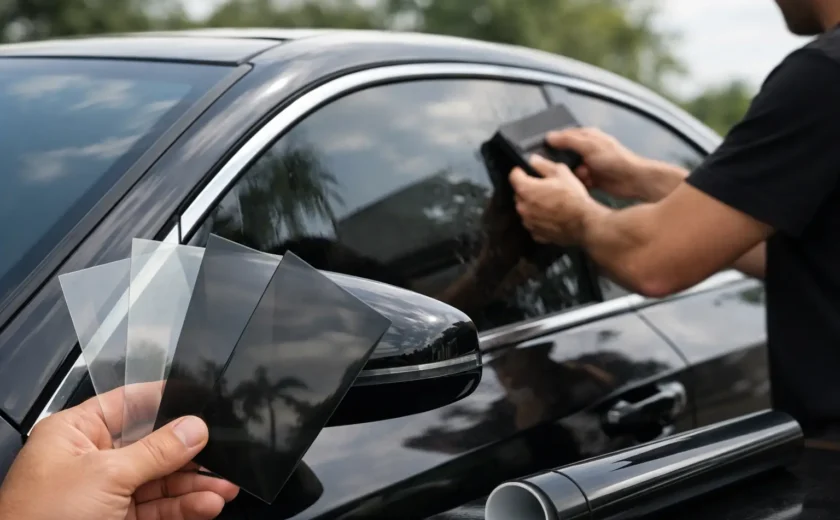
PPF is thicker and far more defensive. It is designed to take abuse that would otherwise hit the paint directly. On a Florida daily driver, that can mean sand, road debris, bug impacts, and general wear on high-contact areas. Many modern films also have self-healing properties that help reduce the appearance of light surface scratches when exposed to heat.
What ceramic coating does well
Ceramic coating is a strong option for owners who want their vehicle to stay cleaner, shine harder, and require less effort to maintain. It helps reduce water spotting, makes washing easier, and adds a crisp, refined finish that traditional waxes cannot match for longevity.
For clients who care about presentation, this is where ceramic coating stands out. After proper paint correction, the coating locks in that improved finish and helps preserve it. The vehicle looks sharper, and the owner spends less time fighting bonded contaminants and grime.
That said, ceramic coating is not armor. It does not make the paint scratch-proof, chip-proof, or immune to poor wash habits. If someone runs a dirty brush across coated paint, the paint can still mar. If a rock hits hard enough, the paint can still chip. Ceramic coating is best understood as surface protection and maintenance improvement, not impact protection.
What paint protection film does well
PPF is the better answer when the main concern is preserving the paint itself. If you drive I-95 regularly, take frequent highway trips, own a performance vehicle with a low front end, or simply want to avoid front-end chip damage, film is the stronger defense.
Its value is most obvious on the areas that take the most abuse. Front bumpers, hoods, fenders, mirror caps, rocker panels, and door edges are common targets because they collect the kind of wear that slowly drags a vehicle away from that clean, premium look. Film acts as a sacrificial layer. Damage that would have hit the paint hits the film first.
This is also why PPF tends to appeal to owners who are thinking about long-term resale and cosmetic preservation. Original paint matters. Keeping high-impact areas cleaner and chip-free helps the vehicle hold its presentation over time.
The trade-off is cost. PPF is more labor-intensive, more material-intensive, and more expensive than ceramic coating. It also needs skilled installation to look right. Poorly installed film can show edges, trapped debris, or alignment issues that stand out on a premium vehicle.
Which looks better on the vehicle?
Both can look excellent when installed correctly, but they do not present in exactly the same way. Ceramic coating usually gives the paint a very crisp, glossy, freshly detailed look. It enhances depth and clarity, especially on darker colors.
High-quality PPF has come a long way and can look extremely clean, but it is still a film sitting over the paint. On most properly installed applications, that is not a concern. Still, for owners who are highly particular about visual perfection, product choice and installer precision matter.
The strongest visual result often comes from combining paint correction with the right protection package. Surface prep is what determines how refined the finish looks before anything is applied. Protection preserves the result. It does not replace prep.
Paint protection film vs ceramic coating for Florida driving
Florida conditions are hard on exterior surfaces. Strong UV exposure, heat, humidity, love bug residue, road grit, salt air near the coast, and frequent rain all create wear in different ways. That is why the right answer here is often more specific than a general online comparison.
Ceramic coating makes a lot of sense for owners who park outside, want easier washing, and need help resisting chemical contaminants and sun-driven deterioration. It is especially useful for daily drivers that need to stay presentable without constant upkeep.
PPF makes more sense when the vehicle sees heavy highway miles, sits low to the ground, has soft paint, or is new enough that preserving the front-end finish is a priority. If your biggest frustration is rock chips and front bumper damage, ceramic coating alone will not solve that problem.
When ceramic coating is the better fit
Ceramic coating is often the better fit if you want strong gloss, easier maintenance, and solid long-term value without stepping into the higher price range of full film coverage. It works well for commuters, luxury vehicles, family SUVs, and weekend cars that need to stay cleaner and look polished with less effort.
It is also a smart choice when the paint is already in good condition or after correction work has restored clarity. If your goal is to reduce maintenance while keeping a refined finish, coating delivers a practical return every time you wash the vehicle.
When paint protection film is worth the extra cost
PPF is worth the extra investment when paint damage is likely, not hypothetical. New vehicles, exotic cars, performance cars, high-end trucks, and vehicles driven long distances benefit the most because they face real impact exposure. It is easier to protect clean paint now than to repaint damaged panels later.
For many owners, partial coverage is the sweet spot. A full front package protects the most vulnerable areas without the cost of wrapping the entire vehicle. Others choose full-body film because they want the highest level of preservation possible. The right package depends on your standards, your driving habits, and how long you plan to keep the vehicle.
The best option for many owners is both
This is where the conversation gets more precise. It is not always paint protection film or ceramic coating. In many cases, the best setup is PPF on high-impact areas and ceramic coating over the remaining painted surfaces, and sometimes over the film itself.
That combination gives you two distinct benefits. The film handles chips and abrasion where damage happens most. The coating improves washability, gloss, and contamination resistance across the vehicle. For owners who want a premium finish with practical protection, this layered approach often makes the most sense.
At Diamond Detailing, that is the kind of recommendation that should be based on the vehicle in front of you, not a one-size-fits-all pitch. A garage-kept weekend car has different needs than a daily-driven SUV that lives on the road.
How to choose without overspending
Start with the problem you are trying to prevent. If you are tired of swirl marks, stubborn grime, and difficult maintenance, ceramic coating is usually the better answer. If you are worried about chips, sandblasting on the front end, and preserving original paint, PPF is the stronger choice.
Then consider where the vehicle loses appearance first. For some owners, that is the hood and bumper. For others, it is the overall gloss and ease of care. The right protection package should match real wear patterns, not just marketing claims.
A premium vehicle deserves protection that fits how it is actually used. If you want shine and simpler upkeep, ceramic coating is a strong solution. If you want real defense against physical damage, paint protection film is in a different class. And if you want the most complete result, combining both usually gives you the cleanest long-term outcome.