Uncategorized
A freshly detailed vehicle can look exceptional at pickup, then face punishing conditions before the week is over: intense UV exposure, afternoon rain, lovebug residue, salt air, hard-water spotting, and road grime. That is why many owners ask, is paint sealant worth it? For many Florida daily drivers, the answer is yes – provided expectations are realistic and the vehicle is properly prepared first.
Paint sealant is not a permanent force field, and it will not prevent every scratch or paint chip. What it can do is create a durable sacrificial layer that improves gloss, makes washing easier, and helps limit the damage caused by contamination sitting directly on unprotected clear coat.
What Paint Sealant Actually Does
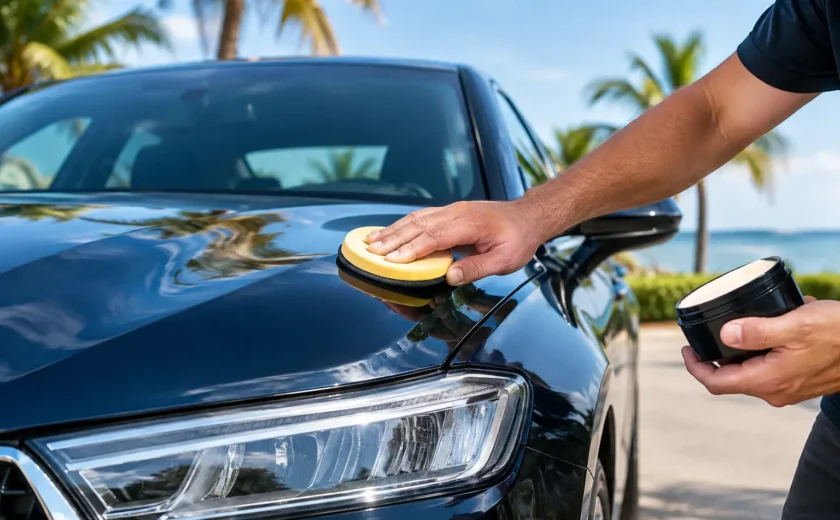
Paint sealant is a synthetic paint protectant applied to clean exterior surfaces after washing and decontamination. Unlike traditional carnauba wax, which is valued for its warm appearance but generally wears away quickly, a quality sealant is formulated for longer-lasting chemical resistance and water behavior.
Once cured, it leaves the paint slicker and more hydrophobic. Water beads or sheets away more readily, dirt has less grip on the surface, and routine washing takes less effort. The visual result is a cleaner, sharper gloss that can make well-maintained paint look noticeably more refined.
Protection is the larger benefit. Florida sun can accelerate oxidation and dullness, especially on dark colors and vehicles parked outdoors. Bird droppings, bug splatter, tree sap, and industrial fallout can etch or stain clear coat when left in place. A paint sealant gives those contaminants a layer to attack before they reach the paint itself. It buys time for proper maintenance, which is often the difference between preserving a finish and paying for correction later.
Is Paint Sealant Worth It in Florida?
For an owner who wants meaningful protection without the investment of a ceramic coating, paint sealant is often a very smart middle ground. It is particularly worthwhile on newer vehicles, well-kept daily drivers, leased vehicles, and cars that receive consistent hand washing but spend time outside.
The value comes from prevention and easier upkeep, not from a single dramatic transformation. A sealant does not stop rock chips, key scratches, or parking-lot damage. It also will not restore faded, oxidized, or heavily swirled paint. If the finish has visible defects, polishing or paint correction should come before protection. Sealing over neglected paint may add shine, but it also locks in the appearance of those imperfections.
For Port Orange and St. Augustine drivers, exposure matters. A garage-kept weekend vehicle may maintain a sealant longer than a commuter parked outside every day near coastal air and direct sun. The same product can perform very differently based on wash habits, mileage, storage, and how quickly contaminants are removed.
A professionally applied sealant commonly lasts several months, with longevity depending on the product and maintenance. That makes it a practical option for owners who prefer scheduled seasonal protection rather than a multi-year coating commitment.
Paint Sealant vs. Wax vs. Ceramic Coating
These options are often grouped together, but they serve different ownership goals.
Wax is best for owners who enjoy frequent detailing or want a short-term appearance boost before a show, event, or sale. It can produce attractive depth, especially on darker paint, but it usually requires more frequent reapplication. In harsh heat and heavy rain, its protective window can be limited.
Paint sealant offers a more durable, consistent choice for everyday vehicles. It typically outlasts wax, handles routine environmental exposure better, and delivers a crisp, glossy finish without requiring an advanced coating budget. It is a strong fit for the owner who wants real protection and a clean finish but does not need the maximum longevity available.
Ceramic coating is designed for longer-term protection, enhanced chemical resistance, and an easier-to-maintain exterior. A properly installed coating can offer years of performance, but the surface preparation is critical. Applying a premium coating over swirls, water spots, or embedded contamination does not solve those issues. It preserves them. Ceramic coating is most valuable when paired with proper correction and disciplined maintenance.
Paint protection film, or PPF, belongs in a separate category. It is the right solution for physical impact protection in high-risk areas such as bumpers, hoods, mirrors, rocker panels, and door edges. A sealant and ceramic coating help with gloss, contamination, and wash maintenance. Neither can replace PPF where chip resistance is the priority.
When Paint Sealant Makes the Most Sense
Paint sealant is a sensible investment when the paint is in good condition and you want to protect it before more substantial damage develops. It also works well after a light polish, when the surface has been refined but the owner does not need a multi-year ceramic package.
It is especially useful for vehicles that are washed regularly but not obsessively maintained. The slick, protected surface gives owners more room between washes and makes bug residue, pollen, dust, and road film easier to remove safely. That convenience matters because improper washing is one of the most common causes of light swirls and marring.
A sealant can also be a good choice for a vehicle being prepared for sale. Correcting visible defects and protecting the finish can improve presentation, photographs, and buyer confidence without overinvesting in a long-term coating the next owner may not value.
When It May Not Be the Best Choice
If your vehicle is brand new, high-value, or likely to remain in your garage for years, ceramic coating may offer better long-term value. The upfront cost is higher, but the extended durability and reduced maintenance burden can make sense for owners committed to preserving the vehicle at a premium standard.
If your primary concern is highway debris, paint sealant is not enough. Florida roads, construction zones, and interstate driving expose front-end paint to chips that require a physical barrier. PPF is the more appropriate investment for those vulnerable areas.
Paint sealant is also not the first step for severely neglected paint. If there is oxidation, etching, deep water spotting, or widespread swirl marks, a professional assessment should determine whether decontamination, polishing, or multi-stage correction is needed before any protection is applied.
Preparation Determines the Result
The quality of the application matters as much as the product. Paint should be thoroughly washed, chemically decontaminated as needed, and inspected under proper lighting. Embedded fallout and bonded contaminants can leave the paint feeling rough even after a basic wash. Applying sealant over that contamination reduces bonding and leaves the finish less smooth than it should be.
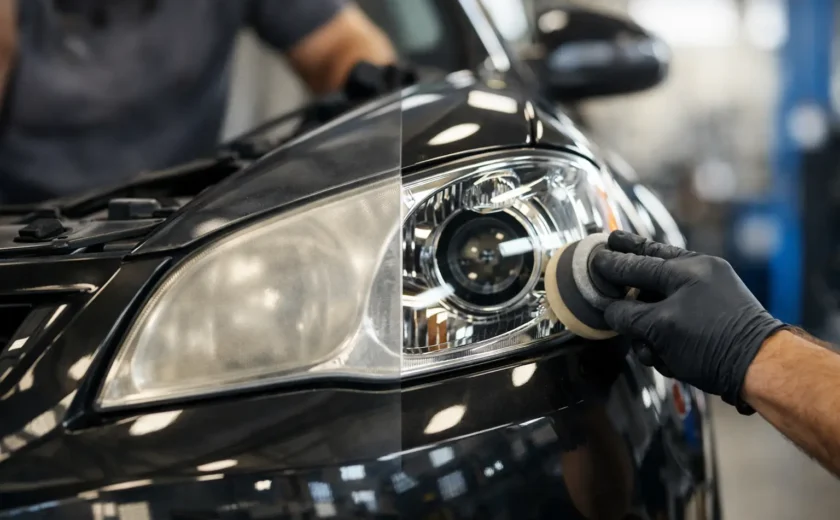
When appropriate, a light polish removes mild haze and improves clarity before the protectant is installed. This is where professional detailing earns its value: the goal is not simply to apply a bottle of protection, but to create a clean, refined surface capable of holding it properly.
At Diamond Detailing, protection services are approached as part of a complete finish-care plan. The right recommendation depends on the vehicle’s condition, the owner’s expectations, and the level of maintenance it will realistically receive afterward.
How to Make a Sealant Last
A sealant performs best when it is maintained with careful washing. Avoid automatic brushes, harsh degreasers, and dish soap, which can wear down protection and create fresh marring. Use pH-balanced automotive wash products, clean microfiber towels, and proper drying techniques to reduce water spotting.
Contaminants should still be removed promptly. A protected surface is more forgiving, but bird droppings, lovebugs, and sap should never be treated as harmless simply because a sealant is present. The same applies to sprinklers and mineral-heavy water. Drying the vehicle after washing or rain exposure is one of the simplest ways to protect clarity and gloss.
If your car is part of your daily routine, not just something parked in the driveway, paint sealant can be an excellent way to keep its finish looking cared for between more extensive services. Start with an honest look at the paint, choose protection that matches how you use the vehicle, and give that protection the maintenance it deserves.