Uncategorized
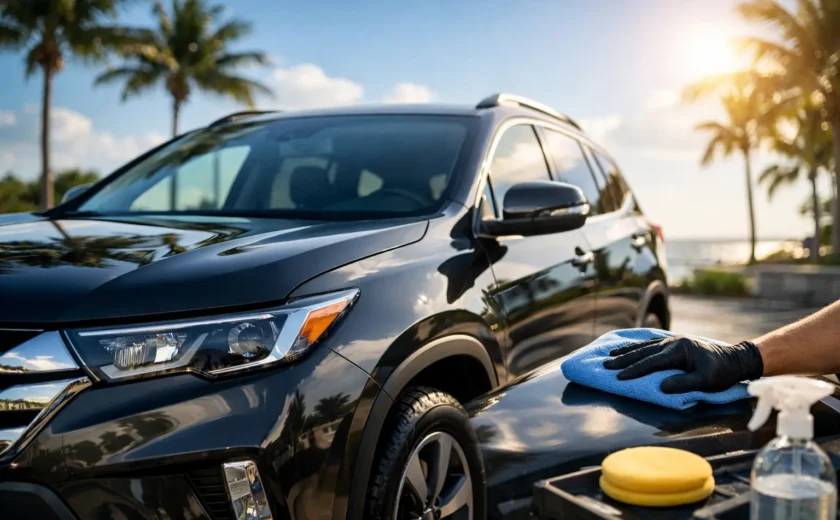
Florida paint damage rarely starts with one dramatic event. It builds quietly: UV exposure baking the clear coat, love bugs etching the front bumper, salt air settling on exterior surfaces, and improper washes leaving fine scratches behind. Knowing how to protect car paint means building the right combination of maintenance, correction, and long-term protection around how and where you drive.
A clean, glossy vehicle is the visible result. The larger benefit is preserving an asset that deserves more than an occasional drive-through wash.
Start With a Proper Wash Process
Protection products work best on paint that is clean and free of bonded contamination. More importantly, the wash process itself should not create the defects you are trying to prevent.
Dirt, sand, and road film act like abrasives when they are dragged across paint. That is why quick tunnel washes and a single bucket with a dirty wash mitt can leave behind swirls, haze, and dullness over time. Dark-colored vehicles show this quickly, but every paint color is affected.
A safer maintenance wash uses quality pH-balanced shampoo, clean microfiber towels or wash media, and separate tools for the wheels and lower panels. Pre-rinsing loose debris is essential, especially after a beach trip, highway drive, or rainstorm. The goal is to lift contamination away from the surface rather than grind it into the clear coat.
Drying matters just as much. Letting mineral-heavy water air-dry can leave spots, while rough towels can introduce marring. Use clean, high-quality microfiber drying towels and gentle blotting or controlled passes. For vehicles parked outside, regular washing is not optional maintenance. It is the first line of defense.
Remove Contamination Before It Damages the Finish
Not all contamination comes off during a normal wash. Bug residue, bird droppings, tree sap, rail dust, brake dust, and industrial fallout can bond to paint and begin damaging the clear coat if they sit too long.
Florida drivers should treat bug splatter and bird droppings as time-sensitive. Both can be acidic, and intense sun accelerates the problem. Avoid scrubbing a dry spot aggressively. Soften it first with a dedicated exterior-safe cleaner or a wet microfiber towel, then gently lift it away.
A professional decontamination service goes further by removing embedded particles from painted surfaces, glass, and wheels. This typically includes chemical decontamination and clay treatment. The paint should feel smooth afterward, not gritty or rough. That smooth surface gives waxes, sealants, ceramic coatings, and paint protection film the clean foundation they need to perform correctly.
Correct Existing Defects Before Applying Protection
Protection locks in the condition underneath it. If the paint already has swirl marks, oxidation, water spots, or light scratches, applying a coating over those issues may improve gloss slightly, but it will not remove them.
Paint correction is the controlled polishing process used to reduce or remove defects in the clear coat. The right level depends on the vehicle. A newer daily driver may need a one-step enhancement polish to restore clarity and shine. A neglected vehicle, black luxury SUV, or enthusiast-owned car may benefit from multi-step correction for a more refined finish.
There is a trade-off here. Paint correction removes a measured amount of clear coat, so it should be performed thoughtfully, not treated as routine abrasion. An experienced detailer evaluates paint condition, paint thickness where appropriate, and the realistic level of correction the vehicle can support. The best result is not always a perfect finish at any cost. It is a finish that looks exceptional while preserving the paint for the long term.
Choose the Right Level of Car Paint Protection
There is no single best answer for every vehicle. The right protection depends on the vehicle’s value, how it is stored, how often it is driven, and the type of abuse it sees on the road.
Wax and Paint Sealants
Traditional wax and modern synthetic sealants offer an accessible way to add gloss, water behavior, and a sacrificial barrier against environmental contamination. They are a practical fit for vehicles that receive regular maintenance and for owners who enjoy frequent detailing.
Their limitation is durability. Florida heat, repeated washing, heavy rain, and sun exposure can shorten their useful life. Expect consistent reapplication if wax or sealant is your primary protection strategy.
Ceramic Coatings
Ceramic coatings provide durable chemical resistance, strong water repellency, and a crisp, high-gloss appearance. They make routine washing easier because dirt and grime are less likely to cling aggressively to a properly maintained surface.
A ceramic coating is not a force field. It does not make paint scratch-proof, prevent rock chips, or eliminate the need for washing. It can, however, significantly improve protection from UV exposure, oxidation, bird droppings, bug residue, and chemical staining when properly installed and maintained.
Preparation is what separates a lasting result from a disappointing one. The paint must be thoroughly cleaned, decontaminated, and often polished before coating application. Skipping those steps can trap imperfections beneath the coating and compromise bonding.
Paint Protection Film
For physical damage, paint protection film offers the highest level of defense. PPF is a clear urethane film applied to vulnerable painted areas such as the front bumper, hood, fenders, mirror caps, rocker panels, and door edges. It is designed to absorb the impact of road debris that would otherwise chip or scar the paint.
This is especially valuable for drivers who commute on I-95, travel frequently, own performance vehicles, or want to preserve a high-value factory finish. Full-front coverage is often the most balanced option. Full-vehicle PPF makes sense for certain luxury, exotic, or collector vehicles, but it is not necessary for every daily driver.
Many owners pair PPF on high-impact areas with a ceramic coating over the remaining painted surfaces. That combination addresses both physical road wear and ongoing environmental exposure.
Protect the Areas Owners Often Miss
The horizontal surfaces receive the most UV exposure, but the lower sections of a vehicle often take the hardest daily abuse. Rocker panels, behind the wheels, lower doors, and the rear bumper collect sand, tar, brake dust, and road grime. These areas need careful washing and may benefit from targeted film protection.
Door edges, trunk lips, and areas behind door handles are also easy to overlook. Small contact marks build up over years of regular use. Clear protective film in those high-touch locations is subtle but valuable.
Do not ignore the wheels and brake components. Brake dust is corrosive and can permanently stain neglected wheels. Keeping them clean and protected reduces buildup and helps preserve the overall appearance of the vehicle.
Adjust Your Routine for Florida Conditions
Garage parking is helpful, but it does not replace proper protection. Vehicles kept outdoors need more frequent attention, particularly during peak summer sun and love bug season. If covered parking is unavailable, washing off fresh contamination promptly and maintaining a durable protective layer become even more important.
Avoid washing a hot vehicle in direct sun whenever possible. Products can dry too quickly, water spots can form, and heat makes the process less controlled. Early morning, late afternoon, or a shaded wash area is better.
For vehicles near the coast, rinse salt residue regularly, including wheel wells and lower panels. Salt air can be easy to miss because the vehicle may not look dirty, yet residue can still settle on the paint, trim, glass, and metal surfaces.
Maintenance Is What Makes Protection Last
The strongest coating or film installation still needs correct care. Use gentle wash methods, avoid harsh degreasers on protected paint, and do not rely on automatic brush washes. Inspect the finish periodically for bonded contamination, water spotting, and areas that need attention.
Professional maintenance detailing helps reset the finish before small issues become expensive correction work. At Diamond Detailing, the goal is not simply to make a vehicle look good for the weekend. It is to create a maintenance plan that keeps the paint clear, glossy, and protected through the miles ahead.
The best time to protect paint is before the next chip, stain, or dull season makes the decision for you. Start with the vehicle’s current condition, choose protection that fits the way you drive, and maintain it with the same care you expect from the finish.