Uncategorized
A vehicle parked outside through a Florida summer can collect more damage in a few months than a lightly used garage-kept vehicle sees in a year. Heat bakes contaminants into paint, sudden rain leaves mineral spots, and salt air accelerates wear. The right car detailing frequency is not a fixed date on the calendar. It should reflect where you drive, where you park, how you use the vehicle, and the level of finish you expect to maintain.
For most Florida drivers, professional detailing two to four times per year is a strong baseline. That schedule keeps the interior under control, removes bonded contamination before it becomes more difficult to correct, and maintains the protection that gives paint, trim, leather, and glass a finished appearance. Vehicles exposed to beach air, construction dust, children, pets, frequent travel, or daily outdoor parking often benefit from more frequent maintenance.
Why Florida Changes Car Detailing Frequency
Florida is demanding on vehicle surfaces. UV exposure dries exterior trim, fades unprotected finishes, and adds stress to dashboards, leather, and plastics. Heat also softens and bakes road film, bug residue, tree sap, and bird droppings into the clear coat. Left in place, these contaminants can stain or etch the surface.
Coastal driving adds another consideration. Salt mist may not always be visible, but it settles on paint, wheels, glass, and underbody components. Regular washing helps, but a professional detail provides the deeper cleaning and protection needed to address the areas a quick wash can miss.
Interior conditions matter just as much. Sand works into carpet fibers and seat tracks. Humidity can create odors when spills, wet towels, gym gear, or pet hair are left behind. Sunscreen, makeup, food, and coffee can permanently change the look of leather and fabric if they are not addressed promptly.
A Practical Detailing Schedule by Vehicle Use
There is no benefit to paying for more correction than your vehicle needs. There is also no advantage in waiting until stains, oxidation, and embedded grime require more intensive restoration. A sensible schedule balances appearance, preservation, and the actual demands placed on your vehicle.
Daily Drivers and Family SUVs
A daily-driven car, truck, or SUV typically needs a professional interior and exterior detail every three to four months. This is especially true for vehicles carrying children, pets, work equipment, beach gear, or regular passengers.
Between appointments, routine washing every two to four weeks helps prevent contamination from building up. Vacuuming carpets, wiping spills immediately, and keeping a sunshade in use will make each professional service more effective. The goal is maintenance, not repeatedly bringing the vehicle back from neglect.
Garage-Kept or Lightly Driven Vehicles
A garage-kept vehicle driven mainly on weekends may only need full detailing twice per year, provided it receives careful washes and is not exposed to prolonged contamination. Low mileage alone does not eliminate the need for care. Brake dust, bugs, moisture, and fingerprints still accumulate, while interior materials can dry out over time.
For enthusiast-owned vehicles, the preferred schedule often depends on the desired standard of presentation. A vehicle prepared for events, client meetings, or weekend drives may receive maintenance detailing more frequently simply because the owner wants a consistently refined finish.
Coastal, Outdoor-Parked, and High-Exposure Vehicles
If your vehicle lives near the coast, sits outdoors every day, or travels through construction zones and heavy traffic, plan on detailing every two to three months. These conditions introduce more salt, industrial fallout, road grime, pollen, and UV exposure than a protected vehicle sees.
The same schedule applies to vehicles with light-colored interiors, black paint, or high-gloss wheels. These surfaces do not necessarily wear faster, but they reveal contamination and neglect sooner. Frequent, proper maintenance preserves the clean look without relying on aggressive correction later.
Work Vehicles, Rideshare Cars, and Pet Transport
Vehicles that function as mobile offices or carry passengers all day need attention more often. Monthly maintenance cleaning can be appropriate when the interior represents your business, receives constant use, or needs to stay odor-free for clients and passengers.
In these cases, the interior usually determines the service interval. Stains and odors become harder to remove as time passes, particularly in Florida humidity. Regular deep cleaning protects the materials and keeps the cabin comfortable for everyone who uses it.
Signs Your Vehicle Is Due for Professional Detailing
A vehicle does not need to look severely neglected before it deserves professional care. In fact, scheduling service at the first signs of buildup is usually the more cost-effective choice. Watch for these changes:
- Paint feels rough after washing, which can indicate bonded contamination.
- Water no longer beads or sheets cleanly from the surface.
- Wheels remain dull or stained after normal cleaning.
- Leather feels dry, shiny, or slick instead of clean and conditioned.
- Carpet, upholstery, or headliners hold odors after the cabin has been aired out.
- Glass develops haze, water spotting, or reduced clarity in rain and at night.
Paint swirls, faded trim, etched water spots, and stubborn stains are also signals that maintenance has moved into correction or restoration territory. Those issues can often be improved, but prevention is gentler on the vehicle and typically requires less labor.
How Protection Affects Detailing Frequency
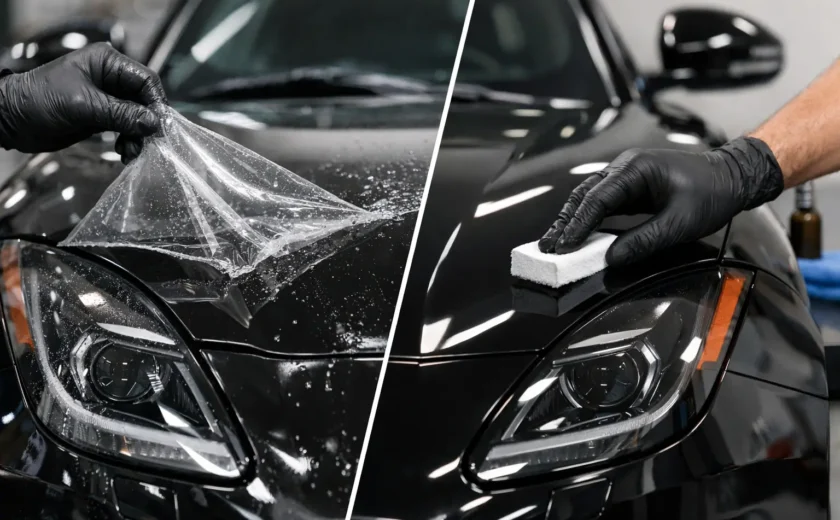
Ceramic coatings, paint protection film, quality sealants, and interior protectants change the maintenance equation, but they do not make a vehicle maintenance-free. Protection makes washing easier, reduces how strongly contaminants adhere, and helps preserve gloss. It does not prevent dirt, brake dust, salt, or spills from accumulating.
A ceramic-coated vehicle may need fewer intensive exterior services because the paint is easier to maintain, but it still benefits from regular decontamination inspections and professional maintenance. Coatings can become clogged with minerals, traffic film, and environmental fallout. When that happens, water behavior declines and the finish loses some of its crisp appearance even though the coating itself may still be present.
Paint protection film deserves similar care. It shields vulnerable painted areas from rock chips and abrasions, yet it should be washed correctly and periodically inspected around edges, high-impact panels, and areas exposed to bug residue. Proper maintenance protects the investment made in the protection service.
What a Professional Detail Should Accomplish
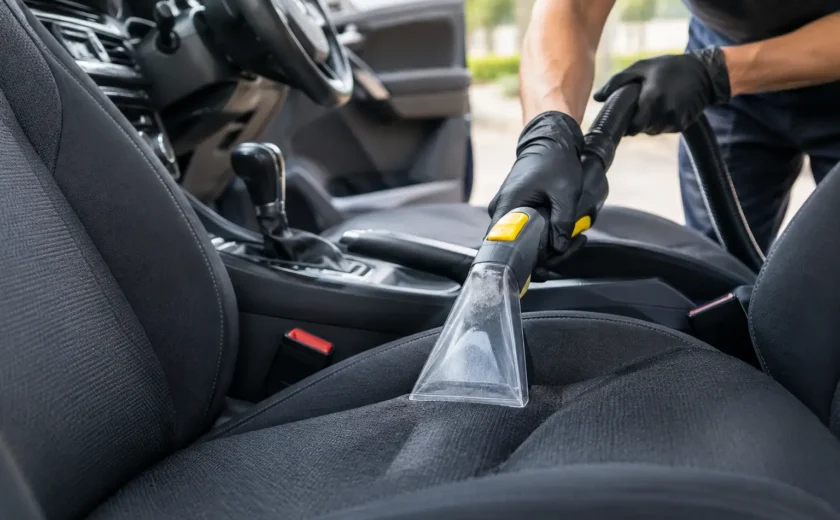
A quality detail is more than a wash, vacuum, and dressing application. The right service level should address the vehicle’s actual condition. That may include careful exterior decontamination, wheel and tire cleaning, interior steam treatment, carpet and upholstery extraction, leather cleaning and conditioning, polishing, or the application of durable protection.
For a newer vehicle in good condition, maintenance detailing focuses on preserving the finish without unnecessary polishing. For a vehicle with dull paint, wash marring, neglected leather, or stained carpets, a more comprehensive service may be the better starting point. Once the vehicle has been restored to a higher standard, ongoing maintenance becomes more efficient and predictable.
This is why package selection matters. An entry-level maintenance appointment is useful for a well-kept vehicle. It is not a substitute for paint correction, deep interior restoration, or long-term protection when those services are needed.
Build a Schedule Around Your Vehicle, Not a Generic Rule
Start with two professional details per year if your vehicle is garaged, lightly driven, and regularly washed. Move to three or four annual appointments for a daily driver, outdoor-parked vehicle, or family SUV. For coastal exposure, heavy interior use, pets, work travel, or a vehicle you want kept at a near-showroom standard, maintenance every one to three months may be appropriate.
At Diamond Detailing, the best schedule begins with an honest assessment of the vehicle rather than a one-size-fits-all recommendation. A protected luxury sedan, a beach-driven SUV, and a work truck may all need professional care, but they do not need the same service at the same interval.
The most effective time to book detailing is before the finish feels rough, the interior develops an odor, or the paint needs correction. Consistent care keeps each appointment focused on preserving the vehicle you enjoy driving, rather than recovering the condition you wish you had maintained.