Uncategorized
A ceramic coating can look impressive on paper until you realize not every coating is built for the same owner, vehicle, or finish goal. When people search for the best ceramic coating options, what they usually want is not the most expensive product on the market. They want the right level of protection, the right finish, and a result that holds up in real Florida conditions.
That distinction matters. A daily-driven SUV parked outside in Port Orange has different needs than a weekend sports car, a lifted truck, or a boat exposed to sun and salt. The best choice depends on how the vehicle is used, how the paint looks today, and how much correction and maintenance you expect before and after the coating is applied.
What makes the best ceramic coating options worth it
At its best, a ceramic coating creates a harder, more chemically resistant layer over properly prepared paint. That layer helps reduce oxidation, adds gloss, improves water behavior, and makes routine washing easier. It does not make paint scratch-proof, and it does not replace proper washing techniques, but it can significantly improve how a vehicle looks and how well it holds that finish over time.
The biggest value is often not just protection. It is consistency. A coated vehicle tends to stay cleaner longer, rinse off more easily, and maintain a richer finish between maintenance services. For owners who care about presentation and resale, that difference shows up every week, not just on delivery day.
Still, ceramic coating is only as good as the prep underneath it. If the paint has swirls, oxidation, water spots, or embedded contamination, locking all of that in under a coating is a poor investment. The coating protects what is there. It does not hide bad prep.
Best ceramic coating options by ownership style
The easiest way to compare coatings is not by marketing claims. It is by how you actually use the vehicle.
Entry-level ceramic protection
This is often the right fit for newer daily drivers, leased vehicles, or owners who want improved gloss and easier upkeep without stepping into a long-term, multi-year package. Entry-level coatings generally offer solid hydrophobic performance, a cleaner look, and a meaningful upgrade over wax or sealants.
The trade-off is durability. These coatings usually do not last as long as higher-tier systems, and they may require more frequent maintenance to keep water behavior and gloss at their best. For some drivers, that is perfectly reasonable. If you like refreshing your vehicle regularly and want a lower barrier to entry, this can be the smart option rather than the cheap one.
Mid-tier multi-year coatings
For many vehicle owners, this is the sweet spot. A quality multi-year coating balances noticeable gloss, stronger resistance to environmental fallout, and a lifespan that justifies the investment. This category works especially well for luxury daily drivers, family SUVs, and trucks that see regular road use but still need to present well.
Mid-tier options also tend to make the most financial sense when paired with paint correction. If you are already investing in refinement and polishing, protecting that finish with a more durable coating gives you a better return. The vehicle looks sharper, washes easier, and holds its appearance longer.
Premium long-term coatings
These are built for owners who want the strongest available cosmetic protection short of physical film coverage. Premium coatings are often chosen for high-end vehicles, collector cars, and owners who are serious about preserving a refined finish for years.
This level usually delivers deeper gloss, stronger chemical resistance, and longer performance when maintained correctly. The prep is more critical, the install standards are higher, and the cost rises with that precision. It makes sense when the vehicle, paint condition, and ownership goals support it. It is less compelling when the vehicle is heavily used, rarely washed properly, or likely to see damage that a coating cannot prevent.
Ceramic coatings for boats and RVs
Marine and RV surfaces bring different challenges. Constant UV exposure, mineral buildup, salt, and larger surface areas change the equation. The best ceramic coating options for these assets need to be selected with substrate, exposure, and maintenance in mind.
A marine-grade or specialty coating can help protect gel coat and painted surfaces while improving cleaning and reducing oxidation. For RVs, coatings can make those large panels easier to wash and maintain, especially in strong sun. The key is choosing a system intended for those surfaces rather than assuming an automotive coating is automatically the right answer.
What to look for before choosing a coating
Durability is the first thing most people ask about, but it should not be the only factor. A three-year coating applied to poorly corrected paint is not a better result than a one-year coating over a properly prepared finish.
Gloss is another major consideration. Some coatings produce a crisp, reflective look, while others add a warmer, richer appearance. Neither is universally better. Dark vehicles often benefit from coatings that emphasize depth, while lighter colors may show more value in clarity and slickness.
Maintenance expectations matter too. Ceramic coating reduces work, but it does not eliminate it. If the owner plans to tunnel wash the vehicle repeatedly with harsh brushes, the coating will not perform at its best for long. If the vehicle will be hand washed or maintained professionally, even an entry or mid-tier option can hold up very well.
Finally, consider where the vehicle lives. In Florida, UV intensity, humidity, afternoon rain, bug splatter, salt air, and hard water all influence performance. That is why installation quality and aftercare matter just as much as the coating brand on the bottle.
The prep work separates average from premium
This is where many comparisons miss the point. Customers often compare coating packages by years of protection, but the real difference in results usually comes from the surface preparation beforehand.
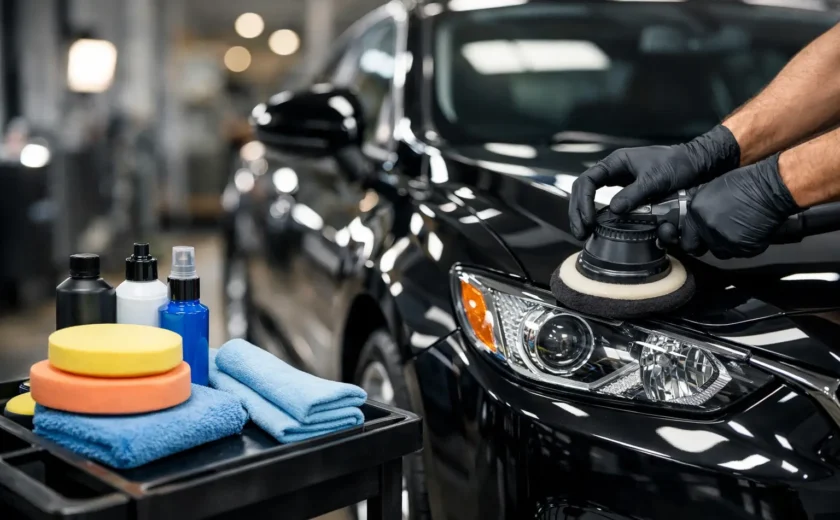
A proper process starts with decontamination. That means safely washing, removing bonded contaminants, and evaluating the paint under correct lighting. From there, polishing or correction addresses defects based on the package level and the owner’s goals.
A one-step polish may be enough for a newer vehicle with moderate swirl marks. A more involved correction may be the better move for darker paint, neglected finishes, or enthusiast vehicles where visual precision matters. Once the paint is refined, the coating has a clean, stable surface to bond to. That is what supports durability and appearance.
This is also why owner-led craftsmanship matters. A ceramic coating is not just a liquid product. It is the final step in a controlled paint enhancement process.
When ceramic coating is not the best answer
There are situations where another service should come first or work alongside the coating. If a vehicle is highly vulnerable to rock chips, a ceramic coating is not a substitute for paint protection film. PPF absorbs physical impact in a way coating cannot.
If the paint is already heavily oxidized or neglected, restoration may need to happen before long-term protection makes sense. And if the owner wants low-cost, short-term shine before selling a vehicle, a quality sealant or entry package may be a more practical choice than a premium coating.
Good advice is not about pushing the highest package. It is about matching the solution to the asset.
Best ceramic coating options for different drivers
For a commuter or family vehicle, a mid-tier coating is often the most balanced investment. It improves gloss, cuts down maintenance time, and helps the vehicle stay sharp through regular use.
For luxury and enthusiast vehicles, premium coatings make more sense when paired with correction work that brings the finish to a higher standard first. For trucks, SUVs, and outdoor-kept vehicles, the focus is often durability and easier upkeep rather than chasing a show-car finish. For boats and RVs, specialty surface knowledge matters as much as product choice.
A premium shop should be able to explain those differences clearly, show what the paint needs before installation, and set realistic expectations for care after delivery. That level of transparency is often a better indicator of quality than any single durability claim.
At Diamond Detailing, that approach is central to how coating packages should be recommended – based on paint condition, use, and the finish the owner actually wants to maintain.
The right ceramic coating should make your vehicle easier to live with and more satisfying to look at every time the light hits it. If the package fits the vehicle, the prep is done correctly, and the expectations are honest, that protection keeps paying off long after the first glossy pickup.