Uncategorized
A freshly corrected paint finish can look exceptional under Florida sunlight, but the same conditions that make a vehicle shine also expose it to damage every day. Sand, gravel, highway debris, love bugs, salt air, harsh UV exposure, and frequent washing all take a toll. Paint protection film is designed for the areas that receive that abuse first, preserving the finish beneath a nearly invisible layer of impact-resistant protection.
For drivers in Port Orange, St. Augustine, and across the Florida coast, it is one of the most practical upgrades available for a new vehicle, a luxury vehicle, or any vehicle with paint worth preserving. The key is selecting the right coverage and having it installed with the level of preparation and precision the material requires.
What Paint Protection Film Actually Does
Paint protection film, often called PPF or clear bra, is a clear urethane film applied to painted exterior panels. Its primary job is straightforward: absorb the impact of small road debris before it chips or scars the factory paint. Quality film also adds protection from bug acids, bird droppings, light abrasion, road grime, and many everyday contaminants.
Modern premium films are far more refined than the products many drivers remember from years ago. When properly installed, the film has a high-gloss, clear appearance that preserves the vehicle’s color and depth rather than covering it with a noticeable plastic layer. Many films also feature self-healing topcoats. Light swirl marks and fine surface scratches can soften or disappear with heat from the sun or warm water.
That does not make PPF indestructible. A hard impact can still damage the film, and a severe hit may reach the paint beneath it. The advantage is that the film takes the damage first. In many cases, a damaged section can be removed and replaced without repainting the original panel.
Why Florida Driving Is Hard on Paint
Florida vehicles face a different set of conditions than cars that spend most of their lives in a garage or on mild suburban roads. Daily heat and UV exposure can accelerate oxidation and fade unprotected finishes over time. On the road, construction debris, loose aggregate, and sand are constant threats to front bumpers, hoods, mirrors, and rocker panels.
Coastal conditions add another concern. Salt carried in the air and deposited on the vehicle can contribute to surface contamination, especially when regular washing is delayed. Love bugs are also more than an inconvenience. Their residue can be acidic, and allowing it to bake onto a warm front bumper or hood can affect clear coat over time.
A ceramic coating helps make a vehicle easier to clean and improves water behavior, but it is not a substitute for impact protection. Coatings are excellent for gloss, chemical resistance, and maintenance. Paint protection film is the better choice where rock chips and physical road wear are the primary concern. On many premium protection plans, the two work together: PPF protects high-impact areas, while ceramic coating supports gloss and easier maintenance across the full exterior.
Where Paint Protection Film Makes the Most Sense
Full-vehicle coverage provides the most complete protection, but it is not the only smart option. Coverage should reflect how the vehicle is driven, its paint condition, and the owner’s long-term plans.
A front-end package is the most common starting point. It typically protects the front bumper, leading edge of the hood, front fenders, and side mirrors. These are the panels most exposed to debris at highway speed. For many daily drivers, this coverage delivers the strongest value because it addresses the areas most likely to chip first.
High-impact add-ons can be especially worthwhile for trucks, SUVs, performance vehicles, and vehicles driven regularly on I-95 or other high-speed routes. Rocker panels, lower doors, rear wheel arches, and the area behind the rear tires can collect sand and debris thrown from the road. Door cups, door edges, trunk ledges, and loading areas also benefit from targeted film, particularly on vehicles that see frequent family use, cargo, or outdoor activity.
Full paint protection film coverage is a strong fit for owners who want to maintain a near-new finish across the entire vehicle. It is often chosen for luxury vehicles, high-value trucks and SUVs, specialty vehicles, and new purchases where protecting factory paint is a priority from day one. Matte or satin vehicles are also excellent candidates because repairing or blending those finishes after damage can be far more complicated than repairing conventional gloss paint.
The Installation Process Determines the Result
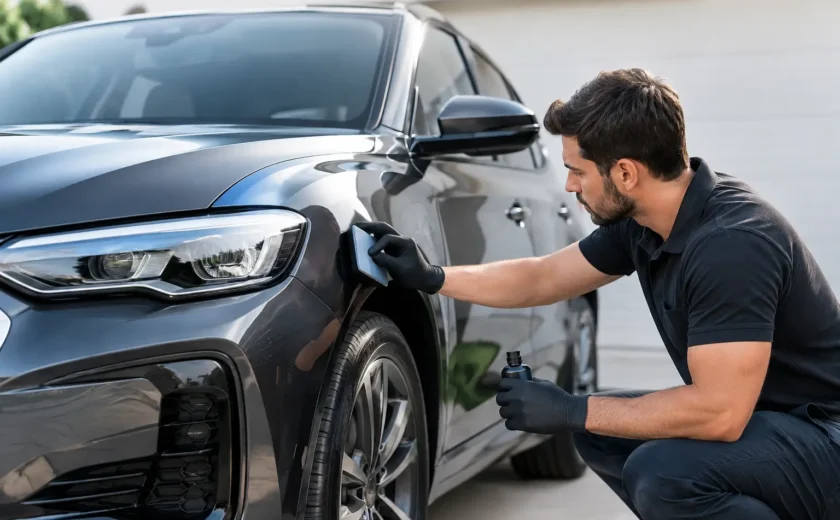
The film itself matters, but installation quality determines whether it looks refined and performs as intended. PPF should not be treated like a quick accessory. The surface must be thoroughly cleaned and decontaminated before installation. If needed, paint correction is completed first so the finish beneath the film is in its best possible condition.
Film is then precisely fitted and installed panel by panel. Proper alignment, clean edges, and controlled application are critical. Wherever practical, wrapping edges helps create a more finished appearance and reduces visible film lines. Complex panels such as bumpers, mirrors, and curved bodywork require experienced hands because stretching, tension, and placement all affect the final finish.
Some minor moisture, haze, or tiny installation marks may be visible during the initial curing period. This is normal and should settle as the film cures. What should not be considered normal are obvious trapped debris, major edge lifting, misaligned patterns, or poorly cut material near paint. A professional installation is about more than applying film. It is careful preparation, controlled execution, and a close inspection before the vehicle is returned.
At Diamond Detailing, the goal is not simply to add a protective layer. It is to preserve the vehicle’s appearance while maintaining the clean, polished presentation owners expect from premium paintwork.
What PPF Cannot Do
Paint protection film is a preservation service, not a repair method for neglected paint. If a vehicle already has deep chips, peeling clear coat, heavy oxidation, or failing prior repairs, those issues need to be assessed before film is applied. PPF can cover an existing imperfection, but it will not make it disappear.
It also does not eliminate maintenance. The vehicle still needs regular washing, particularly after beach driving, bug exposure, or long highway trips. Contaminants should not be left on the surface for extended periods just because film is present. Avoid harsh abrasive products, and use proper wash methods to prevent unnecessary marring on exposed paint and film alike.
Film has a service life, not a permanent lifetime claim. Premium products can provide years of protection when maintained correctly, but age, sun exposure, storage habits, and driving conditions all matter. Eventually, the film can be professionally removed and replaced, ideally before it becomes excessively weathered.
Is Paint Protection Film Worth the Investment?
The answer depends on the vehicle and how it is used. If a car is rarely driven, stays garage-kept, and will be traded in quickly, full coverage may not be the best use of the budget. A focused front-end package may still make sense, especially if the vehicle sees highway miles.
For a new vehicle intended to stay in the household for years, the value is easier to see. Original paint is difficult to replace. Repainting a bumper or hood may restore color, but it can introduce concerns around color matching, finish quality, repair history, and resale perception. PPF helps reduce the need for those repairs by protecting the original finish where it is most vulnerable.
It is also worth considering the ownership experience. Drivers who take pride in a clean vehicle often find that fewer chips, fewer bug stains, and less visible road wear make the vehicle easier to enjoy. That matters whether the vehicle is a luxury sedan, a family SUV, a work truck, or a weekend performance car.
Choosing Coverage With a Clear Plan
The best paint protection film package is not always the largest one. It is the package that protects the panels most exposed to your driving habits while matching the standard you want to maintain. A coastal commuter may prioritize the front end and rocker panels. An enthusiast with a recently purchased vehicle may choose full coverage for maximum preservation. A truck used for travel and outdoor recreation may need added protection around loading areas and lower body panels.
Start with how and where the vehicle is driven, then build coverage around the risks it actually faces. When paint is protected early and maintained properly, the finish has a much better chance of looking as sharp years from now as it did the day you brought it home.