Uncategorized
A buyer can forgive a few miles on the odometer more easily than they can forgive a stained seat, dull paint, or an interior that smells neglected. So, does detailing increase resale value? In many cases, yes. More accurately, professional detailing helps protect the value your vehicle has already earned by presenting it as a well-cared-for asset.
That distinction matters. Detailing does not turn an ordinary vehicle into a collector car or erase the impact of high mileage, accident history, mechanical issues, or an unfavorable market. What it can do is improve first impressions, reduce visible signs of wear, and give a buyer fewer reasons to negotiate your asking price down.
For vehicle owners in Port Orange, St. Augustine, and across Florida, that can be especially meaningful. Sun exposure, salt air, sand, humidity, road film, and everyday use can age a vehicle quickly when they are left unmanaged. Precision cleaning, paint enhancement, and protection help keep that wear from becoming the story a buyer sees.
Why Condition Has Such a Strong Effect on Price
Resale value is influenced by more than the year, make, model, mileage, and vehicle history report. Those factors set the market range. Condition often determines where your vehicle lands within that range.
A clean, glossy exterior and a fresh interior create an immediate sense of confidence. Buyers naturally assume that an owner who maintained the paint, leather, carpeting, wheels, and glass may also have been more attentive to routine service and repairs. That assumption is not a substitute for maintenance records, but it affects how buyers feel about the vehicle before they ever take a test drive.
The reverse is also true. Embedded pet hair, food spills, cloudy headlights, oxidation, brake dust buildup, and neglected trim signal deferred care. Even when the engine runs perfectly, visible neglect can make a buyer expect hidden problems. They may offer less, spend more time finding flaws, or simply move on to a cleaner comparable vehicle.
Detailing helps control that perception by addressing the areas buyers inspect most closely: paint clarity, interior cleanliness, odors, touch points, wheel condition, glass, trim, and the overall finish of the vehicle.
Does Detailing Increase Resale Value or Just Help It Sell?
Usually, it does both, but not always in the same way.
On a late-model vehicle in otherwise good condition, a thorough detail may support a stronger asking price because the vehicle presents closer to its true market value. It can also shorten the selling process. A sharp set of listing photos, a clean cabin, and reflective paint can generate more serious interest than the same vehicle shown with dusty surfaces and stained upholstery.
On an older or higher-mileage vehicle, the direct dollar increase may be more modest. In that case, detailing can still be worthwhile because it helps the vehicle sell faster and reduces the temptation to accept a low offer. A buyer who sees a clean, cared-for car is more likely to view a fair asking price as reasonable.
The best return generally comes from correcting condition issues that are obvious, distracting, and relatively affordable to improve. A deep interior cleaning can transform a vehicle with spills, odors, or neglected carpets. Paint decontamination and a professional polish can restore depth and gloss to a finish that looks tired but is still structurally sound. Headlight restoration can improve both appearance and perceived care.
There are limits. Spending several thousand dollars on advanced cosmetic work immediately before selling a low-value vehicle may not produce a matching increase in sale price. The right service level should reflect the vehicle’s age, condition, market value, and selling plan.
The Services That Make the Biggest Difference
Interior deep cleaning protects buyer confidence
The interior is where a potential buyer imagines ownership. They touch the steering wheel, sit in the seats, open the console, and notice smells immediately. A vehicle can have a respectable exterior and still lose a buyer because the cabin feels used up.
Professional interior detailing goes beyond a quick vacuum. It targets embedded debris, stains, accumulated dust, interior crevices, door panels, mats, upholstery, leather, and high-contact surfaces. When appropriate, conditioning helps leather look cared for rather than dry or neglected.
Odor removal deserves special attention. Smoke, mildew, pet odors, and old food smells can cause buyers to assume the problem is permanent. Masking an odor with a strong fragrance rarely works. The goal is to clean the source and leave the interior neutral, fresh, and ready for inspection.
Exterior correction improves perceived condition
Florida sunlight reveals defects quickly. Light swirl marks, oxidation, water spots, and dullness can make a relatively new vehicle look older than it is. Proper paint correction or enhancement can reduce the appearance of those defects and bring back a more uniform gloss.
This is not about making unrealistic promises. Deep scratches that have penetrated the clear coat, failing paint, dents, and body damage require a different level of repair. But many vehicles suffer from surface-level defects that respond well to professional decontamination, polishing, and finishing.
A clearer finish photographs better, looks stronger in person, and helps a buyer see the vehicle’s actual color and body lines rather than a haze of neglect.
Wheels, tires, trim, and glass complete the presentation
Small details carry surprising weight. Dirty wheels, brown tires, faded exterior trim, and streaked glass can undermine an otherwise polished vehicle. These are often the areas that make a vehicle look rushed or poorly maintained.
A complete resale-focused detail should include careful wheel cleaning, tire dressing with a clean satin appearance, trim treatment where appropriate, and streak-free glass inside and out. The goal is a refined finish, not a greasy shine that looks artificial in photos or attracts dust on the drive home.
Protection Can Preserve Value Before You Plan to Sell
The most effective resale preparation begins long before the listing goes live. Routine maintenance detailing prevents soil, contaminants, and UV exposure from building into problems that require more extensive restoration later.
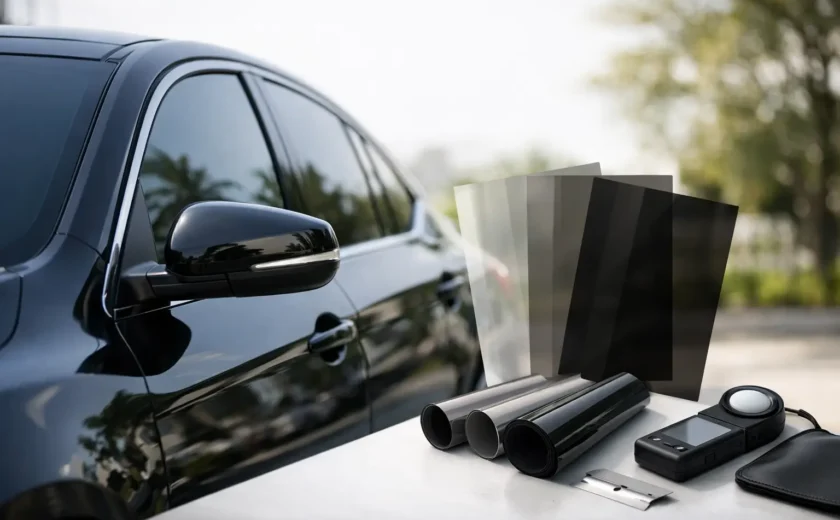
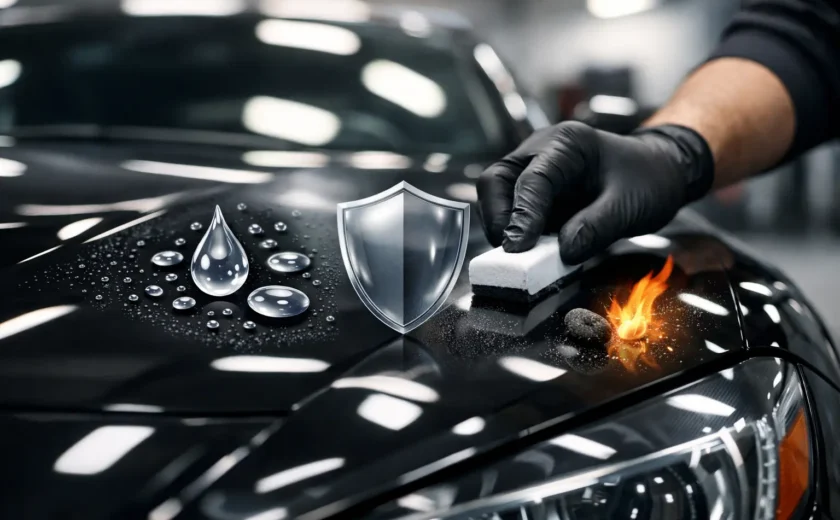
Ceramic coatings, paint protection film, window tinting, and other protection services can also support long-term appearance when selected for the right vehicle and owner. A quality coating can make maintenance easier and help preserve gloss. Paint protection film can defend high-impact areas from rock chips and road wear. Quality window tint can reduce heat and UV exposure inside the cabin, helping protect interior materials.
These services should be viewed primarily as ownership and preservation investments, not as guaranteed resale-price multipliers. A buyer may appreciate protected paint or a well-kept interior, but they may not pay back every dollar spent on premium protection. The strongest value is often the avoided deterioration over the years you own the vehicle.
Keep records of professional services, especially protection installations and maintenance. Documentation gives future buyers a clearer picture of how the vehicle was cared for and can reinforce the condition they see in person.
When to Detail Before Selling
Ideally, schedule resale detailing one to two weeks before listing the vehicle. That gives you time to photograph it while it is at its best, gather maintenance records, and correct any small issues that become visible after the detail.
Avoid waiting until the day before a buyer arrives. A rushed cleaning often misses the areas that matter most, and it can leave you without time to address worn wiper blades, burned-out bulbs, missing floor mats, or minor touch-ups. Detailing does not replace mechanical preparation, but presenting both appearance and basic upkeep well creates a much stronger package.
For a trade-in, detailing can still be worthwhile, though the approach should be practical. Dealers evaluate vehicles quickly and may recondition them regardless. Focus on the interior, exterior wash and decontamination, glass, wheels, and obvious cosmetic issues. For a private-party sale, where presentation and photos carry more weight, a more comprehensive service often makes sense.
How to Choose the Right Level of Detail
A resale detail should be based on what the vehicle needs, not on the most expensive package available. A newer vehicle with light dust, minor swirls, and a clean interior may benefit from a maintenance-level service and paint enhancement. A family SUV with stains, pet hair, and neglected exterior surfaces may need a deeper interior restoration and more involved exterior correction.
Before approving work, consider the vehicle’s realistic sale value and the visible issues that could affect a buyer’s decision. Prioritize defects that create immediate doubt: odors, stains, excessive dirt, dull paint, contaminated wheels, cloudy headlights, and neglected trim.
At Diamond Detailing, the right recommendation starts with the vehicle’s actual condition and your goal for it, whether that means preparing for a private sale, protecting a newer purchase, or restoring pride in the vehicle you plan to keep.
A professionally detailed vehicle will not rewrite the market, but it can make the market see your vehicle more accurately. When a buyer opens the door and sees clean surfaces, cared-for materials, and a finish with real depth, the conversation starts from a stronger position.