Uncategorized
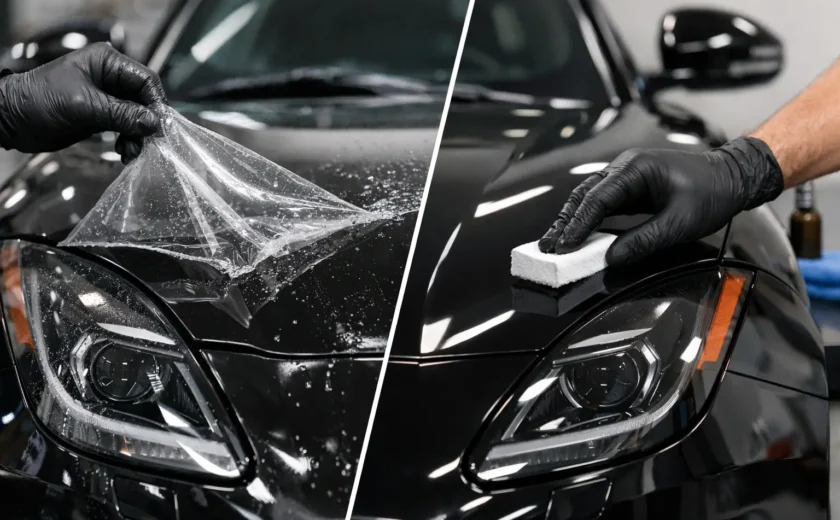
A true ceramic coating before and after example is not just a photo of a shiny vehicle after it has been washed. The meaningful change is in the paint’s clarity, depth, slickness, and ability to shed water and grime after the surface has been properly prepared. On a vehicle that has spent time in Florida sun, rain, salt air, and daily traffic, the difference can be dramatic – but the coating itself is only part of the result.
Ceramic coating is a long-term protection service, not a shortcut around detailing. The best results begin with careful cleaning and paint correction, then finish with a coating that preserves that refined finish. Knowing what you are looking at in before-and-after photos helps set the right expectations for your own car, truck, SUV, boat, or RV.
What a Ceramic Coating Before and After Example Shows
Before ceramic coating, paint often looks dull even when the vehicle is reasonably clean. That dullness can come from embedded contamination, water spots, oxidation, fine scratches, wash marring, road film, and old wax residue. Dark paint may show every defect under direct sunlight. White and silver paint can hide scratches more effectively, but often lose their crisp, reflective appearance as contamination builds.
After a professional service, the paint should look cleaner and more defined. Reflections become sharper. Metallic flake appears more noticeable. Black trim looks richer, glass is clearer, and the vehicle has a more uniform finish from panel to panel. The paint has not become thicker or magically flawless, but its condition is being presented at a much higher level.
The most impressive before-and-after results usually come from vehicles with visible swirl marks, faded gloss, or stubborn environmental buildup. A properly corrected and coated black SUV, for example, can go from looking hazy in the sun to showing crisp reflections and a deep, liquid-like finish. A daily-driven white truck may not look as dramatically different in photos, yet it can still gain a cleaner, brighter appearance and become much easier to maintain.
The Coating Does Not Remove Scratches
This is the distinction that matters most. Ceramic coating does not remove scratches, oxidation, etched water spots, or swirl marks. Paint correction removes or reduces those defects through measured polishing. The ceramic coating is applied afterward to protect the corrected surface and maintain its gloss.
That is why two vehicles can receive ceramic coating and produce very different after photos. If one vehicle receives a thorough correction before coating, the improvement will be more striking than a vehicle that receives a coating over existing defects. Neither approach is automatically wrong. It depends on the vehicle’s age, paint condition, budget, and the owner’s expectations.
For a newer vehicle with light wash marring, a single-stage enhancement may deliver a major improvement. For a neglected vehicle with heavier swirls, oxidation, and deeper scratches, a multi-stage correction may be the more appropriate path. Some deeper defects should remain rather than risk removing too much clear coat. Precision work means balancing visual improvement with long-term paint preservation.
Before: What Professionals Look For
A proper inspection happens before any coating is selected. The vehicle is evaluated in direct and controlled lighting to identify swirls, scratches, water spotting, overspray, tree sap, iron contamination, and previous repair work. Paint depth readings may also be used when correction is planned.
The initial wash is more involved than a routine wash. It should safely remove loose dirt and road film, followed by chemical and mechanical decontamination as needed. This creates a clean foundation for polishing. Applying a coating over bonded contamination can leave the finish feeling rough and looking less clear, even if water beads afterward.
After: What You Should Notice Right Away
Once a coating has cured, the first thing most owners notice is the visual finish. Color appears richer, gloss is more pronounced, and the paint feels noticeably smoother. During future washes, water should bead or sheet more easily, and light dirt is less likely to cling aggressively to the surface.
Those water-beading photos are useful, but they are not the entire story. Hydrophobic behavior does not mean the vehicle will never need washing. Dust, minerals, pollen, salt residue, and road grime still accumulate. The advantage is that proper washing becomes faster and safer because contamination releases more easily from a protected, slick surface.
A quality ceramic coating can also help reduce the impact of UV exposure, bird droppings, bug residue, and other common contaminants when they are addressed promptly. It is not a force field. Acidic bird droppings, sprinkler deposits, and hard-water spots can still damage a coated finish if they sit too long in the Florida heat.
Why Florida Vehicles Often Show a Bigger Difference
Port Orange and St. Augustine drivers contend with conditions that can take a visible toll on paint. Intense UV exposure can fade and oxidize unprotected surfaces. Afternoon rain leaves mineral deposits. Coastal air and road spray introduce contaminants that should not remain on paint, wheels, trim, or glass.
A ceramic coating gives a regularly driven vehicle a more manageable maintenance routine, particularly when it is paired with correct washing habits. Rather than allowing grime to bake onto an unprotected surface, owners have a protective layer that helps preserve gloss between professional maintenance appointments.
For vehicles parked outside every day, coating can be especially worthwhile when the paint is in good condition or has first been corrected. For a vehicle with severe clear-coat failure, peeling paint, or extensive rock-chip damage, coating is not a repair. Paintwork, paint protection film, or a different restoration plan may need to come first.
What Creates a Premium Before-and-After Result
The strongest transformations are built through process, not product claims. At Diamond Detailing, that means matching the service level to the vehicle’s actual condition instead of treating every finish the same.
The result depends on four connected factors:
- Surface preparation: Thorough washing and decontamination ensure the coating bonds to clean paint rather than trapped residue.
- Paint correction: Polishing improves gloss and removes or reduces the defects that make paint look cloudy.
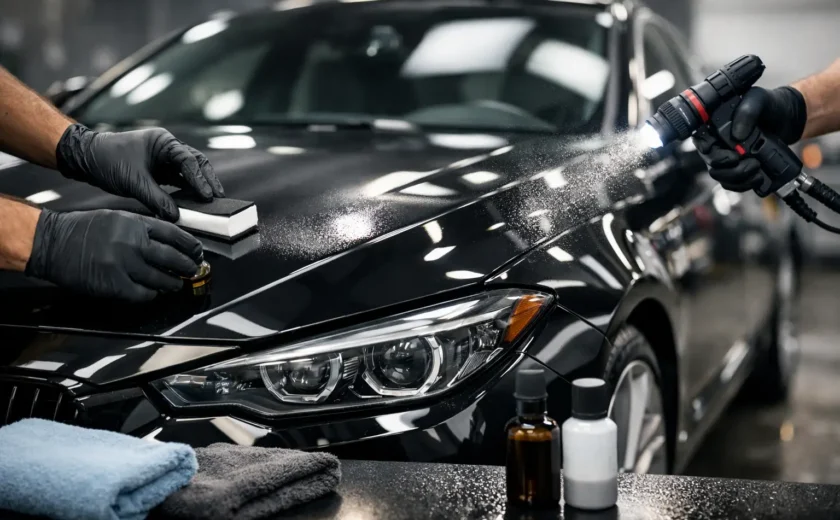
- Coating selection and application: The coating should suit the vehicle, desired durability, and maintenance expectations, then be applied evenly in a controlled process.
- Owner maintenance: Safe wash methods and timely contaminant removal protect the finish long after the appointment.
Skipping preparation may save time, but it compromises the finish underneath the coating. A premium coating over poorly prepared paint can still repel water, yet it will not deliver the clarity, smoothness, or refined look most owners expect from a professional result.
How Long Does the After Look Last?
The freshly coated appearance evolves over time. The high-gloss, freshly corrected look can remain impressive for years when the coating is maintained properly, but no vehicle stays showroom-clean without care. Durability varies with the coating type, storage conditions, mileage, wash practices, and exposure to sun and contamination.
Avoid automatic brushes when possible, as they can install fresh swirl marks into coated paint. Use pH-balanced wash products, clean microfiber towels, and proper drying methods. Do not let sprinkler water, bird droppings, or bug residue remain on the vehicle for days. A coating makes maintenance easier, but the owner’s habits determine how well the finish continues to look.
For many owners, scheduled maintenance detailing is the practical way to protect the investment. It keeps the surface clean, checks coating performance, and addresses contamination before it becomes a correction issue again.
Set Expectations Before You Book
When reviewing a ceramic coating before-and-after example, look past the dramatic reflections. Ask whether the vehicle was polished before coating, what defects were safely improved, and what maintenance the owner will need afterward. A trustworthy detailer should be direct about what coating can protect, what paint correction can improve, and what damage requires a different solution.
The right ceramic coating service does more than make a vehicle look great on pickup day. It gives well-prepared paint a durable, easier-to-maintain foundation for the miles, weather, and daily use ahead.