Uncategorized
You can find ceramic coating prices that look surprisingly low online, then get a quote from a professional shop that is several times higher. That gap is exactly why a ceramic coating cost guide matters. If you are protecting a daily driver, luxury vehicle, truck, or weekend car in Florida, the real price is not just about the bottle of coating. It is about prep, paint condition, labor, product quality, and how the vehicle is expected to look when it leaves the shop.
For most owners, ceramic coating is less about chasing a trend and more about protecting an asset. Florida sun, heat, rain, road film, bug splatter, and salt exposure can wear on a vehicle fast. A quality coating helps with gloss, washability, and long-term surface protection, but the cost depends heavily on the level of correction and craftsmanship behind it.
What a ceramic coating cost guide should actually measure
The simplest way to think about pricing is this: you are paying for surface preparation first, coating installation second. The coating itself matters, but it cannot perform properly on paint that is contaminated, swirled, oxidized, or poorly polished.
That is where many low advertised prices become misleading. A budget package may include a wash, a quick decontamination step, and a light coating application. A premium package usually involves a much longer process – paint inspection, chemical and physical decontamination, polishing, panel prep, careful installation, cure management, and aftercare guidance. Those are not cosmetic extras. They directly affect gloss, bonding, durability, and the final result.
Typical ceramic coating price ranges
A true ceramic coating service for a car usually starts in the mid hundreds and can move well into the thousands. For a smaller vehicle with paint already in strong condition, an entry-level professional package may land around $700 to $1,200. A more involved multi-year coating with machine polishing often falls around $1,200 to $2,000 or more.
Larger SUVs and trucks usually cost more because there is simply more surface area to correct and coat. If the paint has noticeable swirl marks, water spotting, oxidation, or previous neglect, the price climbs further because correction takes time. A premium result is labor-driven.
At the highest end, vehicles receiving extensive paint correction before coating can exceed $2,500 depending on size, condition, and the coating system chosen. That may sound steep until you compare a basic application to a finish that has been properly refined and protected.
Why ceramic coating prices vary so much
If two shops quote very different numbers, there is usually a reason. The biggest cost driver is paint correction. A vehicle with dealership-installed wash marks, automatic car wash damage, or years of improper maintenance needs more polishing to create a surface worth sealing.
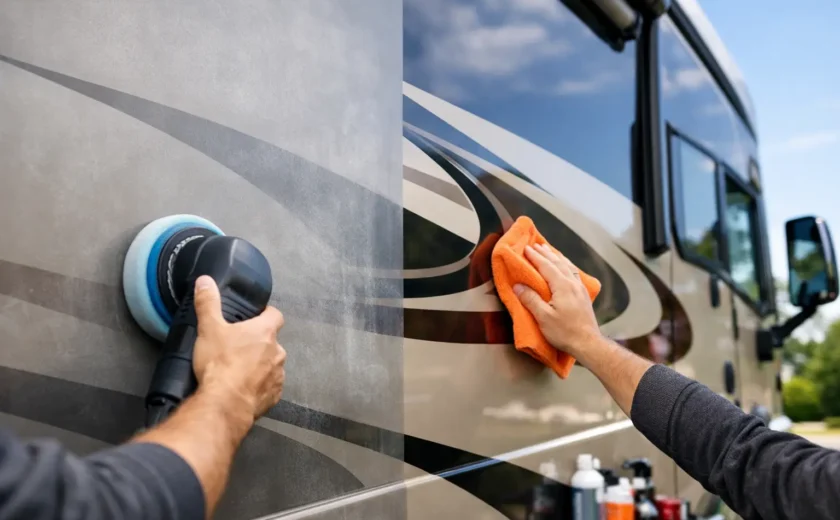
Vehicle size matters too. A compact sedan is not priced the same way as a full-size SUV, lifted truck, or large luxury vehicle with more panels, trim, and edges to work around. The same applies to boats and RVs, where square footage and oxidation can dramatically change the labor involved.
The coating type also changes the price. Some packages use an entry-level coating with shorter expected life. Others use more advanced systems designed for stronger chemical resistance, longer durability, better gloss retention, or layered protection for paint, wheels, glass, and trim.
Then there is the quality of the installation itself. Owner-led shops and experienced specialists tend to spend more time inspecting surfaces, controlling variables, and finishing details correctly. That level of precision is part of the price, and it is usually visible in the final finish.
Prep work is where the value lives
A professional ceramic coating is only as good as the surface under it. If contamination is left behind or defects are not addressed, the coating locks those issues in place. That is why preparation often takes more time than the application.
A proper process usually starts with a thorough wash and decontamination. That can include iron removal, clay treatment, and deep cleaning around badges, seams, wheels, and trim. After that comes paint evaluation. Some vehicles need only a light polish to refine the finish. Others need a more involved correction step to remove deeper defects and restore clarity.
This is the part customers do not always see when they compare prices. Two coating packages may sound similar on paper, but one may involve a very light prep while the other includes substantial refinement. If your goal is a sharper finish with stronger long-term results, prep is not where you want shortcuts.
Cheap ceramic coating vs professional ceramic coating
There is a place for lower-cost protection, but it helps to call it what it is. A quick ceramic spray or short-term sealant service can improve gloss and hydrophobic behavior at a lower price. That can be a smart option for some daily drivers.
A true professional ceramic coating is a different category. It requires more surface prep, more installation control, and more accountability from the shop. The coating is meant to bond properly and perform over a longer timeline, not just look slick for a few weeks.
The trade-off is simple. Lower-cost options reduce the upfront investment, but they generally do not deliver the same durability, defect refinement, or long-term value. If you plan to keep the vehicle for years, or if presentation matters to you, paying more for proper correction and coating often makes better financial sense than redoing temporary protection over and over.
How Florida conditions affect coating value
Florida drivers have a stronger case for ceramic coating than many markets. UV exposure is intense, rain is frequent, and bug residue can become aggressive quickly. Add coastal air, humidity, and road grime, and paint protection stops feeling optional for owners who care about condition.
That does not mean every vehicle needs the highest-tier package. A newer commuter car with healthy paint may be well served by a more moderate coating package. A black luxury SUV parked outdoors every day may justify a more comprehensive correction and longer-term coating. It depends on the vehicle, storage conditions, how often it is washed, and how particular you are about finish quality.
For many Florida owners, the real benefit is reduced maintenance effort. A coated vehicle typically sheds contamination more easily and stays glossier between washes. That does not make it maintenance-free, but it does make upkeep more manageable.
What to ask before approving a quote
A ceramic coating cost guide is only useful if it helps you compare quotes the right way. Instead of asking only, “How much is it?” ask what level of paint correction is included, what surfaces are being coated, and how long the process takes. Those answers tell you far more than the headline number.
It also helps to ask whether the quoted price includes wheels, glass, trim, or just painted panels. Some packages are narrowly scoped, while others are more complete. Ask about expected durability in realistic terms, not marketing language. And ask how the shop handles aftercare, because maintenance still matters.
A well-built quote should feel clear, not vague. You should know what condition your vehicle is in, what results are realistic, and what level of finish the shop is aiming to deliver.
When the higher quote is worth it
The highest quote is not automatically the best one. But a higher price is often justified when it includes meaningful correction, premium coating chemistry, experienced installation, and a more exacting finish standard.
That matters most on vehicles where appearance and preservation carry real weight – luxury cars, enthusiast vehicles, newer trucks, family SUVs with long ownership plans, and anything with soft or dark paint that shows defects easily. In those cases, the difference between average work and precise work is easy to spot in sunlight.
Shops built around premium detailing tend to structure coating packages the same way they approach any high-value cosmetic service: condition-based, labor-aware, and focused on visible results. That is usually the smarter path if you care about how the paint looks six months from now, not just how it looks at pickup.
The right ceramic coating cost guide comes down to value
If you are comparing ceramic coating packages, the better question is not whether one shop is cheaper. It is whether the process matches the result you want. A fair price reflects the vehicle’s size, paint condition, correction needs, coating quality, and the standard of workmanship behind the service.
For drivers who want clean gloss, easier maintenance, and stronger protection against Florida wear, ceramic coating can be a very worthwhile investment when it is done correctly. Shops like Diamond Detailing build value into the process by focusing on preparation, precision, and finish quality rather than rushing to the coating stage. When you look at it that way, cost stops being just a number and starts becoming a measure of how well your vehicle is being protected.