Uncategorized
A ceramic coating can make a vehicle easier to wash, more resistant to environmental fallout, and noticeably glossier. What it cannot do is hide bad paint. That is why paint correction before ceramic coating matters so much. If swirl marks, haze, oxidation, or random isolated scratches are left in the finish, the coating will lock those defects under a layer of protection instead of fixing them.
For owners who care about appearance, resale, and long-term protection, this is the step that separates a coated vehicle from a properly finished one. It is also where expectations need to be clear. A ceramic coating is a protection product. Paint correction is the process that improves the paint itself.
What paint correction before ceramic coating actually does
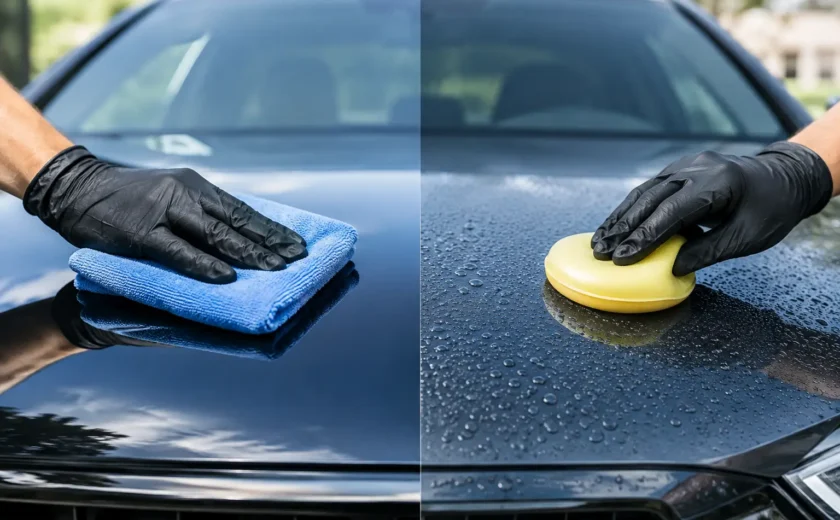
Paint correction is the controlled polishing of a vehicle’s clear coat to reduce or remove visible defects. Depending on the paint condition, that may involve a one-step polish to improve gloss and reduce lighter swirls, or a multi-step correction to address deeper marring, oxidation, water spot etching, and heavier wash damage.
The goal is not simply to make the paint shiny for a day. The goal is to level out imperfections as safely as possible so the surface looks cleaner, deeper, and more refined before protection is installed. When the coating goes on afterward, it enhances a finish that has already been corrected rather than trying to distract from one that has not.
That distinction matters because ceramic coatings tend to increase gloss, reflectivity, and clarity. Those same qualities also make defects easier to see when they remain in the paint. On dark colors especially, skipping correction often leads to disappointment. The vehicle is protected, yes, but every swirl in the sun is still there.
Why correction comes before coating
Ceramic coatings bond best to a properly prepared surface. Before the coating stage, the paint is washed, chemically decontaminated, clayed if needed, and polished. That process removes embedded contamination, old residues, and surface defects that interfere with both appearance and bonding.
If a coating is applied over contaminated or poorly finished paint, two problems usually follow. First, the final look falls short of what the owner expected. Second, any defects trapped underneath are not easy to address later. Once the coating cures, correcting the paint means polishing through or removing that coating in the affected areas and reapplying protection.
In other words, correction is the right time to improve the finish because everything is already being prepped for protection. It is more efficient, and it produces a better end result.
Not every vehicle needs the same level of correction
This is where experience matters. Paint correction before ceramic coating is not a one-size-fits-all service. Some vehicles only need a refinement polish to boost gloss and clean up mild wash marring. Others need a heavier compounding and polishing process to make a real visual difference.
A newer daily driver may have dealership-installed swirl marks, light water spotting, and mild haze from improper washing. That might respond well to a single polishing stage. A black truck that has lived through tunnel washes, hard water, and Florida sun may need far more work to produce the level of clarity most owners expect from a premium coating package.
There is also a trade-off between perfection and paint preservation. Chasing every last scratch is not always the smartest move, especially on thinner paint or older vehicles. A skilled detailer evaluates the finish, measures what is realistic, and recommends the level of correction that improves the vehicle substantially without being reckless.
The defects a coating will not fix
One of the biggest misconceptions in detailing is that ceramic coating somehow fills in scratches. It does not correct swirls, oxidation, etched water spots, buffer trails, or clear coat haze. Some coatings can slightly mask very faint imperfections during application, but that is not correction, and it is not a substitute for polishing.
If the paint has deeper scratches that catch a fingernail, touch-up damage, rock chips, or clear coat failure, those issues may remain visible even after correction. A good correction process improves what can be safely improved. It does not promise an unrealistic, brand-new finish on every vehicle.
That is why an honest consultation matters. The right shop will explain what can be corrected, what will remain, and what level of improvement you can expect before the coating ever goes on.
How the process should look
A proper correction and coating service starts well before a machine polisher touches the paint. The vehicle should be thoroughly washed to remove surface dirt, then decontaminated to strip iron fallout, road film, bug residue, and other bonded contaminants. If needed, clay treatment follows to smooth the surface further.
From there, the paint is inspected under proper lighting. This step is critical because defects look very different in shade than they do under focused inspection lights or direct sun. Test spots are then used to determine which pad, polish, and machine combination gives the best result with the least unnecessary removal of clear coat.
After polishing, the surface needs to be wiped down to remove polishing oils so the true finish can be assessed. Only then should the coating be applied. That final prep stage makes sure the coating bonds to clean paint, not leftover polishing residue.
For premium results, patience matters. Rushing through correction to get to the coating stage is where quality drops off. The coating is the final protective layer, but the polishing stage is where the visual transformation happens.
Is paint correction before ceramic coating always worth it?
For most vehicles, yes. The real question is how much correction makes sense for that vehicle, that owner, and that budget.
If you plan to keep the vehicle for years, want the strongest visual payoff, or own a darker color that shows every flaw, correction is usually worth doing before coating. It puts the paint in its best possible condition and gives the coating a finish worth preserving.
If the vehicle is a work truck, an older daily driver, or something you simply want protected without chasing a near-showroom look, a lighter enhancement may be the better fit. You still get the benefits of coating, but with a more practical level of preparation.
That flexibility is important. Premium detailing is not about overselling the most aggressive package. It is about matching the process to the condition of the vehicle and the standards of the owner.
Why Florida conditions make prep even more important
In Florida, paint takes a beating. UV exposure, heat, salt air near the coast, hard water spotting, love bug residue, and frequent rain all add up. By the time many owners start looking into ceramic coating, the paint already has visible wear that a coating will preserve if it is not corrected first.
That is why local vehicles often need more than a quick wash and application. Proper prep gives the coating a clean, refined base and helps owners get the full value from the service. For drivers in places like Port Orange and St. Augustine, that extra attention is not a luxury add-on. It is often the difference between average results and a finish that looks properly restored and protected.
At a shop like Diamond Detailing, that means treating correction as a precision step, not a sales phrase. The coating may be what customers ask for first, but the corrected paint underneath is what makes the final result look premium.
Choosing the right expectation
The best ceramic coating jobs are built on honest prep, realistic recommendations, and disciplined polishing. Paint correction before ceramic coating is not about making every vehicle flawless at any cost. It is about improving the finish to the right level before sealing it in.
If you are investing in long-term paint protection, make sure the surface being protected is actually worth preserving. A coating can add gloss, slickness, and easier maintenance, but the clarity you admire in the sun starts with the correction work underneath. Get that part right, and every wash afterward feels like your vehicle is holding onto the standard it should have had from the start.